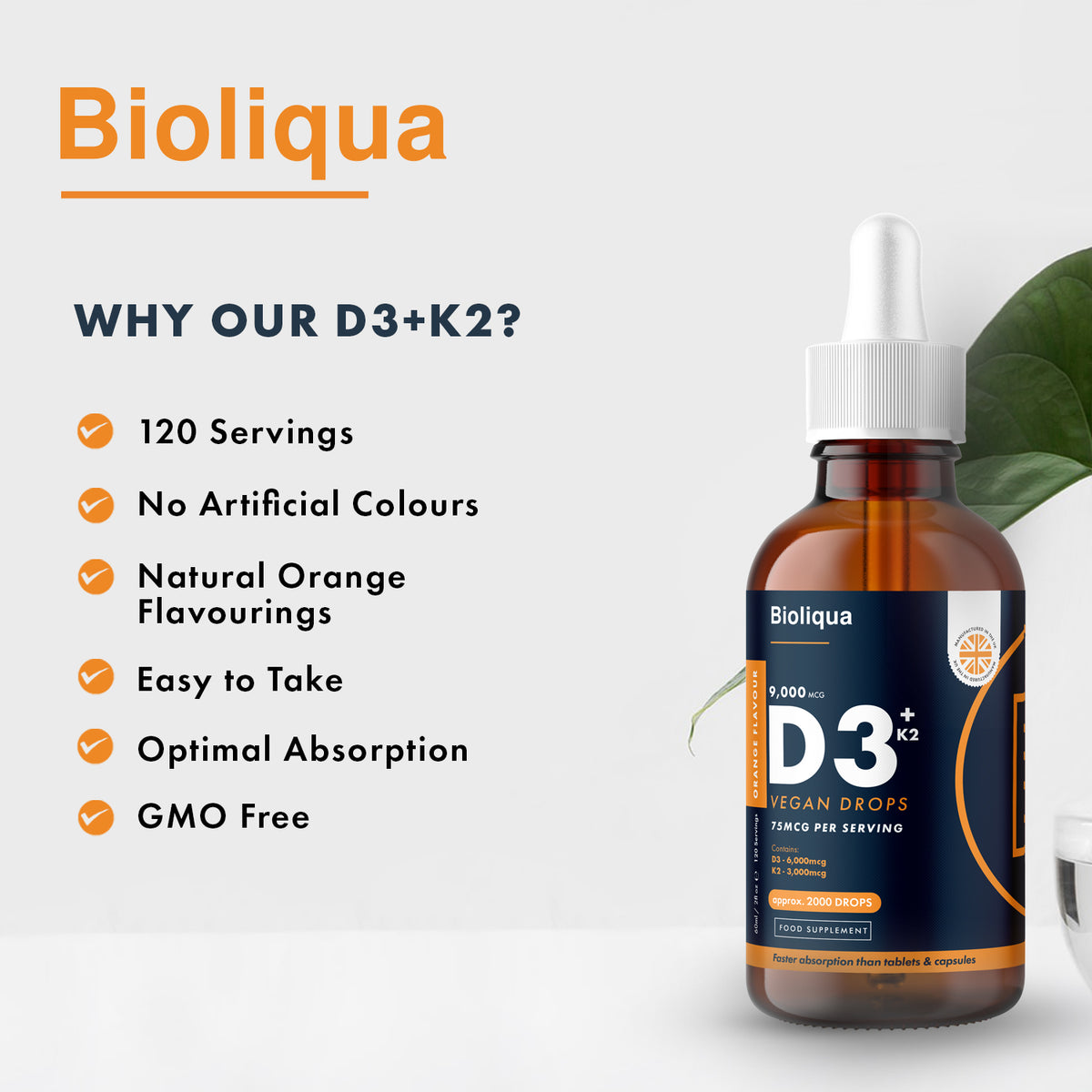
Vitamin D3 + K2 liquid drops
Vitamin D3 + K2 Liquid Drops deliver two fat-soluble nutrients that are commonly considered together: D3 as cholecalciferol — the form most readily converted a…

£15.00
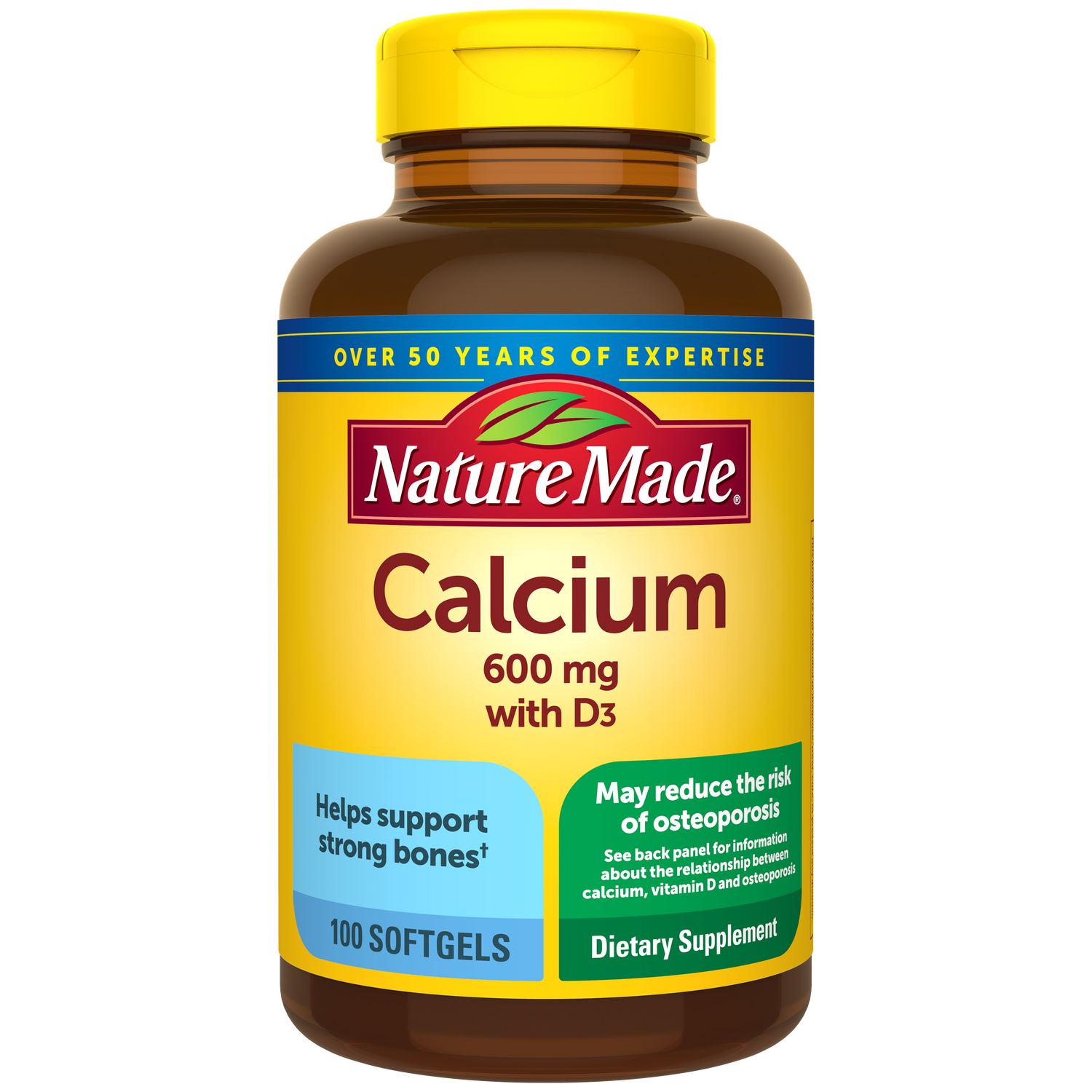
Calcium with D3 is a bone-support supplement combining calcium citrate with vitamin D3.
Vitamin D3 + K2 Liquid Drops deliver two fat-soluble nutrients that are commonly considered together: D3 as cholecalciferol — the form most readily converted a…

60 billion AFU of Akkermansia muciniphila plus 64 billion CFU of Lactobacillus acidophilus, 700 mg berberine, 200 mg inulin, 2.4 mg astaxanthin, and chromium i…
Interested in more
personalised recommendations?

Set up your Wellness A\ Profile to connect your wearables, biomarkers and test results. Create a bespoke plan based on your unique biology. Expert-led, evidence-based.
Set up Profile nowCalcium with D3 is a bone-support supplement combining calcium citrate with vitamin D3. Calcium citrate is a chelated form of calcium that does not require stomach acid for absorption, making it a practical choice for those who take acid-reducing medications or have lower stomach-acid production. Vitamin D3 is included because calcium absorption is largely dependent on adequate vitamin D status — the two nutrients work in tandem, and D3 is the form the body uses most efficiently.
This combination suits a broad range of people: post-menopausal women managing bone density, older adults at increased risk of deficiency, those with low dietary calcium intake, and anyone whose blood work has flagged insufficiency in either nutrient. It is also relevant for muscle and nerve function, as calcium plays a role in both.
The tablet form taken with meals is a sensible default — food stimulates stomach acid and bile, which supports fat-soluble vitamin absorption. Calcium is best absorbed in divided doses rather than a single large amount, so splitting the daily intake across meals is worthwhile if the dosing schedule allows.
Calcium and D3 remain among the most clinically validated nutrient combinations for skeletal health. The citrate form is a considered formulation choice, prioritising bioavailability over cost.
Calcium Citrate, Vitamin D3
Take 2 tablets daily with meals. Splitting your intake across two separate meals may support better absorption, as calcium is absorbed more efficiently in smaller amounts at a time.
Calcium citrate does not require an acidic stomach environment to dissolve and absorb. Calcium carbonate, the most common form, relies on stomach acid — which makes citrate the better choice for older adults or anyone taking acid-reducing medications such as proton pump inhibitors or H2 blockers.
Possibly, but check the total vitamin D across all your supplements before stacking. Vitamin D is fat-soluble and accumulates in the body, so it is worth keeping your combined daily intake within sensible limits. If in doubt, a blood test to check your 25-OH vitamin D level will tell you where you actually stand.
Bone turnover is slow — meaningful changes in density take months to years, and are measured by DEXA scan rather than felt day-to-day. For muscle cramps or other symptoms linked to low calcium, some people notice a difference within a few weeks, though individual response varies.
Those with a history of kidney stones (particularly calcium oxalate stones), hypercalcaemia, or certain parathyroid conditions should consult a doctor before supplementing. Calcium can also interact with some medications, including certain antibiotics and thyroid hormones — take those at a separate time of day.
With food is recommended. Eating stimulates conditions that support both calcium citrate absorption and vitamin D3 absorption, the latter being a fat-soluble nutrient that benefits from the presence of dietary fat.
We offer physician-led talks and events to help you learn more about how to deal with stress through movement, mindfulness, and refocusing.
Learn about our next event
Overall sentiment
4 days ago
Gentle on a sensitive stomach, and I feel like myself again. I had tried two other glandulars before this and neither sat right.
1 week ago
I was sceptical about glandulars, but my mid-afternoon crash has genuinely eased. One capsule with breakfast and I forget about it.
2 weeks ago
Not a stimulant, which is exactly what I wanted. It took about ten days, then I realised I wasn’t dreading the afternoon any more.
3 weeks ago
Bought after a blood panel flagged a flat cortisol curve. Easy to take, no jitters, and the sourcing is refreshingly transparent.
1 month ago
Training hard through a stressful stretch and this has helped me bounce back between sessions. Already on my second bottle.
1 month ago
No frills, one ingredient, a sensible dose. I appreciate that it is designed to be used for a season rather than forever.
A blood test is the only way to know what your body actually needs. We’ll tell you which of these supplements is right for you.
Find your panel
A curated selection of products, tools and rituals, carefully chosen by our expert doctors, to benefit you on your wellness journey.