 Free delivery
Why The Wellness recommends this
Curated, not stocked.
Copper is one of those nutrients that rarely gets attention until something flags on a blood panel — yet it underpins iron recycling, connective tissue repair, and antioxidant defence. We rate Thorne's bisglycinate form because chelated minerals tend to be gentler on digestion and better absorbed than inorganic salts. It earns its place particularly in patients on long-term zinc protocols, where routine copper monitoring is simply good practice.
About this product
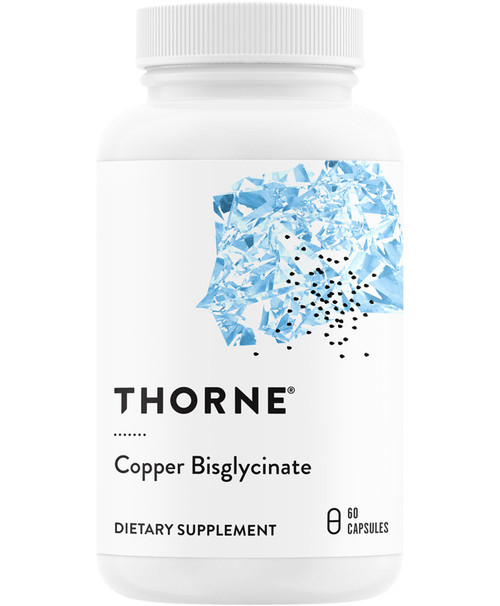
Copper Bisglycinate
Thorne Copper Bisglycinate is a chelated copper supplement in which the mineral is bound to the amino acid glycine. This chelated form is generally considered more bioavailable than basic copper salts, meaning a greater proportion of each dose reaches the bloodstream. Copper is an essential trace mineral that plays a direct role in iron metabolism — it is required for the conversion of ferrous iron to the ferric form that transferrin can transport. Without adequate copper, iron can accumulate in tissue yet remain functionally unavailable, which is one reason copper deficiency and iron-deficiency anaemia can look similar on presentation.
Beyond iron metabolism, copper contributes to the synthesis of collagen and elastin, making it relevant for connective tissue integrity, skin structure, and wound healing. It also supports the antioxidant enzyme superoxide dismutase and plays a role in neurological function and melanin production.
This supplement suits people with confirmed or suspected copper insufficiency — particularly those supplementing with high-dose zinc long term, since zinc and copper compete for absorption and sustained zinc use can deplete copper over time. It may also be appropriate where diet is consistently low in copper-rich foods such as shellfish, nuts, and organ meats.
Thorne is a brand with a longstanding reputation in the practitioner supplement space, known for rigorous manufacturing standards and clean formulations. The bisglycinate form reflects a considered choice of mineral carrier for tolerability and absorption.
What it does
Benefits
- 01
Supports iron transport and healthy red blood cell metabolism
- 02
Contributes to collagen and connective tissue synthesis
- 03
Chelated form chosen for improved mineral bioavailability
- 04
Helps offset copper depletion from sustained zinc supplementation
- 05
Supports antioxidant enzyme activity via superoxide dismutase
Get the most from it
How to use
Take 1 capsule daily, as directed on the packaging. Copper is best taken away from high-dose zinc supplements, as the two minerals compete for absorption. If you are taking other trace minerals, check the packaging or consult a practitioner for timing guidance.
What's inside
Ingredients
View full ingredient list
Copper Bisglycinate
Common questions
Frequently asked
Why would I need a copper supplement?
Most people get adequate copper through diet, but deficiency can occur with sustained high-dose zinc supplementation (zinc competes with copper for absorption), very restrictive diets, or certain malabsorption conditions. A blood panel is the most reliable way to confirm whether supplementation is warranted.
Is it safe to take copper alongside my zinc supplement?
Copper and zinc compete for absorption in the gut, so it is generally advisable to take them at separate times of day rather than together. If you are supplementing both, a practitioner can advise on the appropriate ratio and schedule for your situation.
How long before I notice a difference?
Trace mineral repletion is gradual. If you have confirmed low copper, meaningful changes in relevant markers — such as iron metabolism or energy — typically take several weeks of consistent supplementation. A follow-up blood panel is the most objective way to track progress.
Who should avoid this supplement?
People with Wilson's disease, a condition of copper overload, should not take copper supplements. It is also worth checking your diet and any other supplements for existing copper content before adding this, to avoid unintentionally exceeding recommended intake.
Why choose bisglycinate over other forms of copper?
Bisglycinate is a chelated form, where the copper is bound to glycine. Chelated minerals are generally better absorbed and tolerated than inorganic forms such as copper oxide or sulphate, which is why this form is commonly preferred in practitioner-grade supplements.
Doctor-guided care
Test before you supplement.
Bloods are the only way to know what your body actually needs. We'll tell you which of these supplements earn their place.
Book a panelFrom real customers
Reviews
No reviews yet
Be the first to share your experience.
Loading reviews…