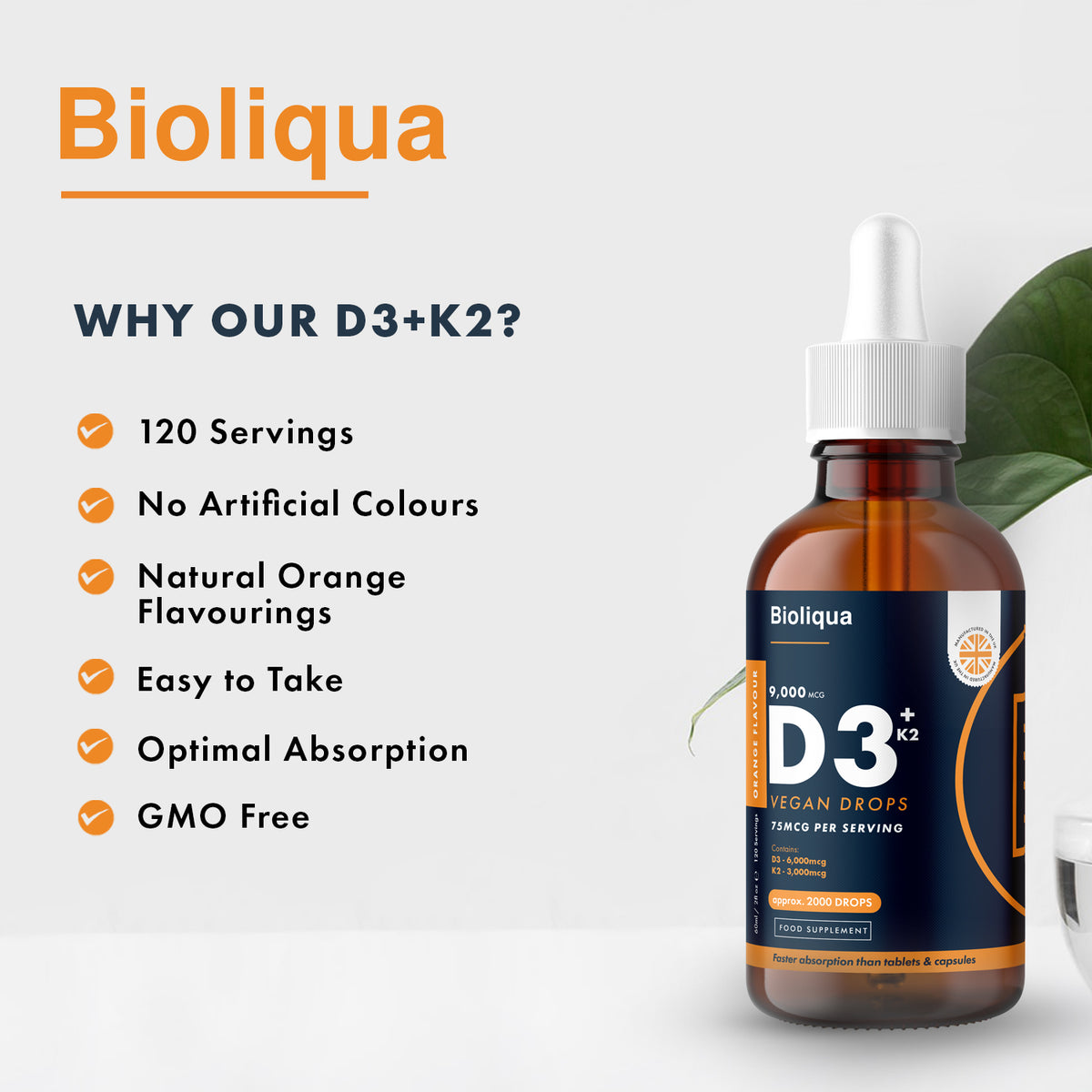
Vitamin D3 + K2 liquid drops
Vitamin D3 + K2 Liquid Drops deliver two fat-soluble nutrients that are commonly considered together: D3 as cholecalciferol — the form most readily converted a…


£585.00
The Dr.
Vitamin D3 + K2 Liquid Drops deliver two fat-soluble nutrients that are commonly considered together: D3 as cholecalciferol — the form most readily converted a…
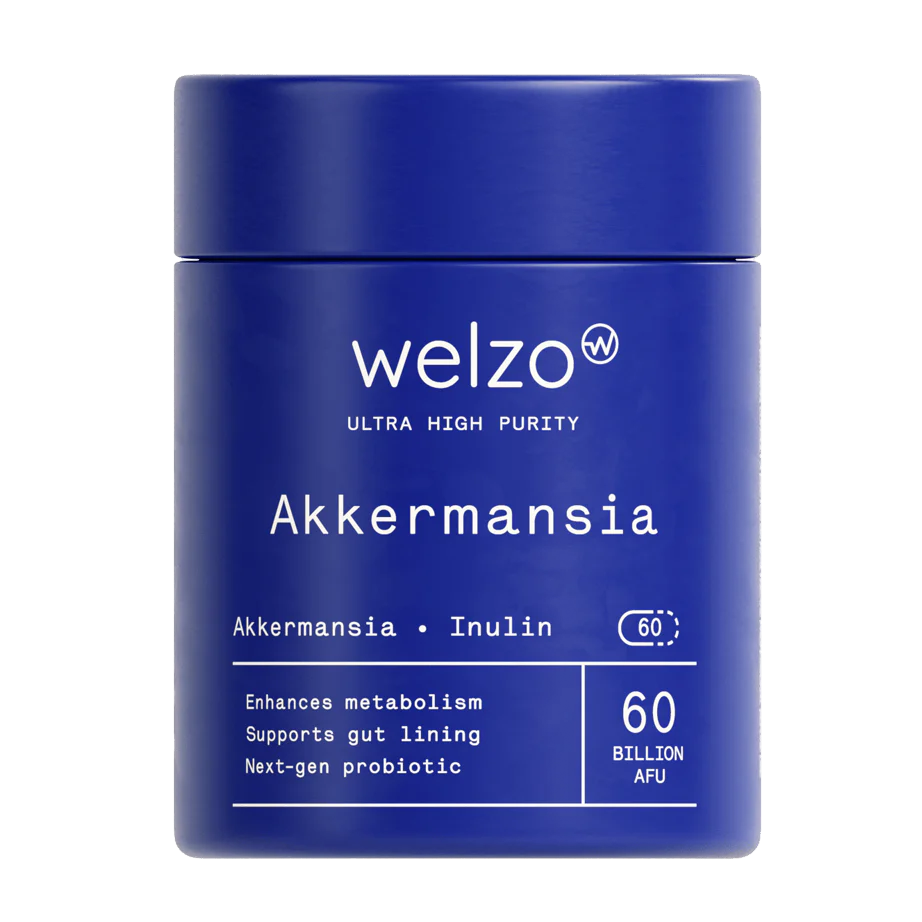
60 billion AFU of Akkermansia muciniphila plus 64 billion CFU of Lactobacillus acidophilus, 700 mg berberine, 200 mg inulin, 2.4 mg astaxanthin, and chromium i…
Interested in more
personalised recommendations?

Set up your Wellness A\ Profile to connect your wearables, biomarkers and test results. Create a bespoke plan based on your unique biology. Expert-led, evidence-based.
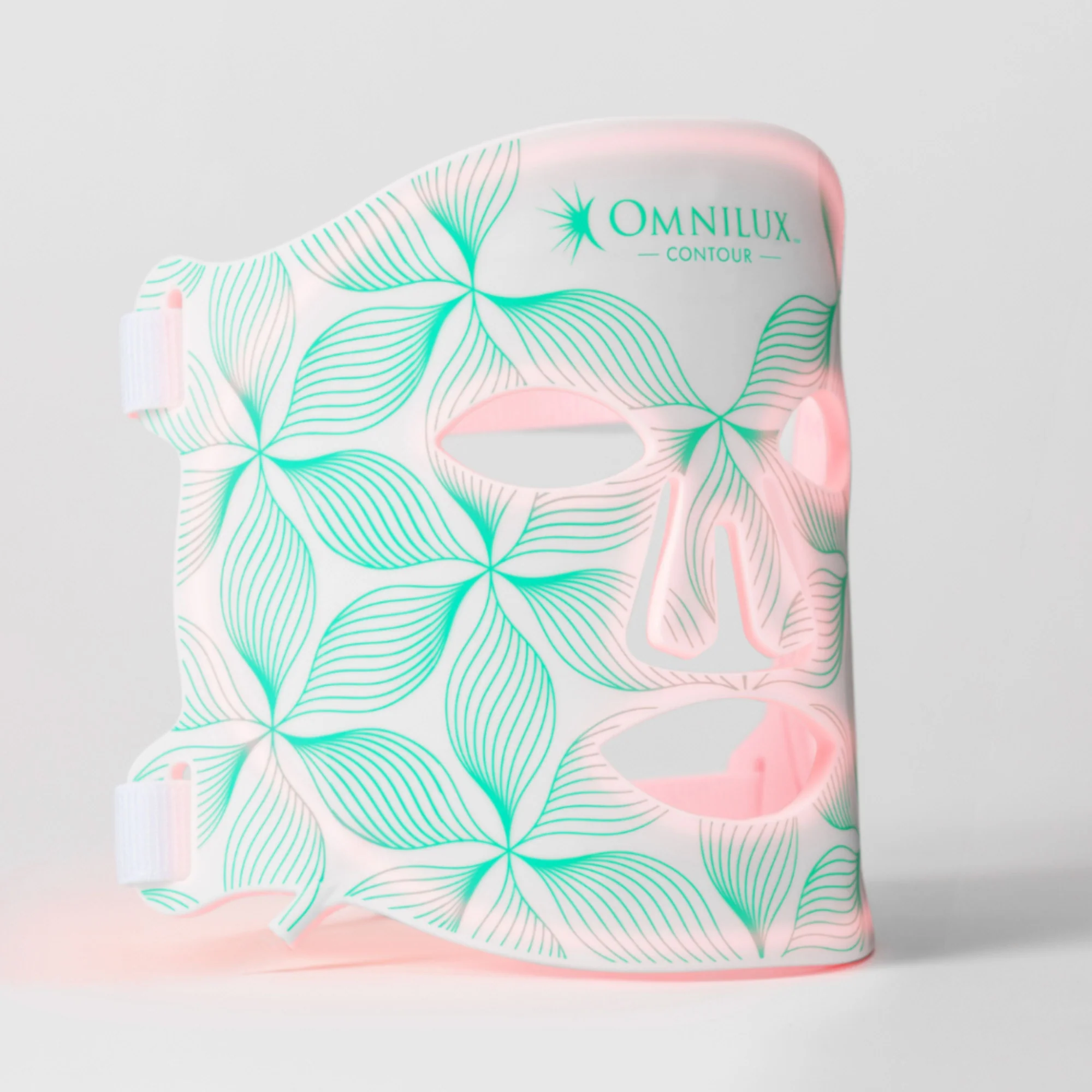
Set up Profile nowThe Dr. Dennis Gross SpectraLite Pro is a professional-grade LED light therapy mask designed for at-home use. LED phototherapy works by delivering specific wavelengths of light into the skin, where they are absorbed by skin cells to support processes such as collagen production, cellular repair, and a reduction in surface bacteria associated with breakouts. Different wavelengths serve different purposes: red light is widely studied for its role in stimulating fibroblast activity and improving skin tone, while blue light is commonly used to target acne-causing bacteria at the skin's surface.
This device sits in a category of beauty technology that has moved well beyond the spa. It suits those dealing with persistent skin concerns — acne, uneven tone, fine lines, or post-procedure recovery — who want a consistent, non-invasive treatment they can build into their weekly routine. It is also well-suited to those who have had clinical LED sessions and want to maintain results at home between appointments.
Dr. Dennis Gross is a New York-based dermatologist whose devices are used in clinical settings and have been adopted widely in dermatology practices. The SpectraLite Pro sits at the premium end of the at-home LED market, reflecting the professional design standard and the multi-wavelength capability expected from a clinical-grade tool. As with any light therapy device, consistency matters more than intensity — regular, sustained use over weeks is where results are typically observed.
Professional LED therapy mask
Follow the instructions provided with the device. Most at-home LED therapy protocols involve sessions of a fixed duration several times per week — check the packaging for the recommended schedule. Consistent use over several weeks is typically needed before visible changes are observed.
Specific wavelengths of light penetrate the skin at different depths and are absorbed by skin cells. Red light is studied for its effect on fibroblasts and collagen synthesis; blue light is used for its action against acne-causing bacteria on the skin's surface. The mechanism is photobiomodulation — stimulating cellular activity without heat or damage.
LED therapy is cumulative. Most people using devices consistently report noticing changes in skin tone or texture after several weeks of regular use. Individual results depend on skin type, the concern being addressed, and how consistently the device is used.
LED light therapy at the wavelengths used in consumer devices is generally considered safe for most skin types. Those with photosensitive conditions, who are taking photosensitising medications, or who have active skin disorders should consult a doctor before use.
In general, LED therapy is compatible with most topical skincare. It is typically recommended to use the device on clean, dry skin before applying serums or moisturisers. Avoid using it directly over active retinoid or acid treatments without guidance, as these can increase skin sensitivity.
Professional in-clinic LED devices typically deliver higher irradiance than at-home versions. The SpectraLite Pro is positioned at the premium end of the at-home market and is designed to offer a clinical standard of multi-wavelength delivery, but check the product specifications and compare with your clinic's device if continuity of treatment is important to you.
We offer physician-led talks and events to help you learn more about how to deal with stress through movement, mindfulness, and refocusing.
Learn about our next event
Overall sentiment
4 days ago
Gentle on a sensitive stomach, and I feel like myself again. I had tried two other glandulars before this and neither sat right.
1 week ago
I was sceptical about glandulars, but my mid-afternoon crash has genuinely eased. One capsule with breakfast and I forget about it.
2 weeks ago
Not a stimulant, which is exactly what I wanted. It took about ten days, then I realised I wasn’t dreading the afternoon any more.
3 weeks ago
Bought after a blood panel flagged a flat cortisol curve. Easy to take, no jitters, and the sourcing is refreshingly transparent.
1 month ago
Training hard through a stressful stretch and this has helped me bounce back between sessions. Already on my second bottle.
1 month ago
No frills, one ingredient, a sensible dose. I appreciate that it is designed to be used for a season rather than forever.
A blood test is the only way to know what your body actually needs. We’ll tell you which of these supplements is right for you.
Find your panel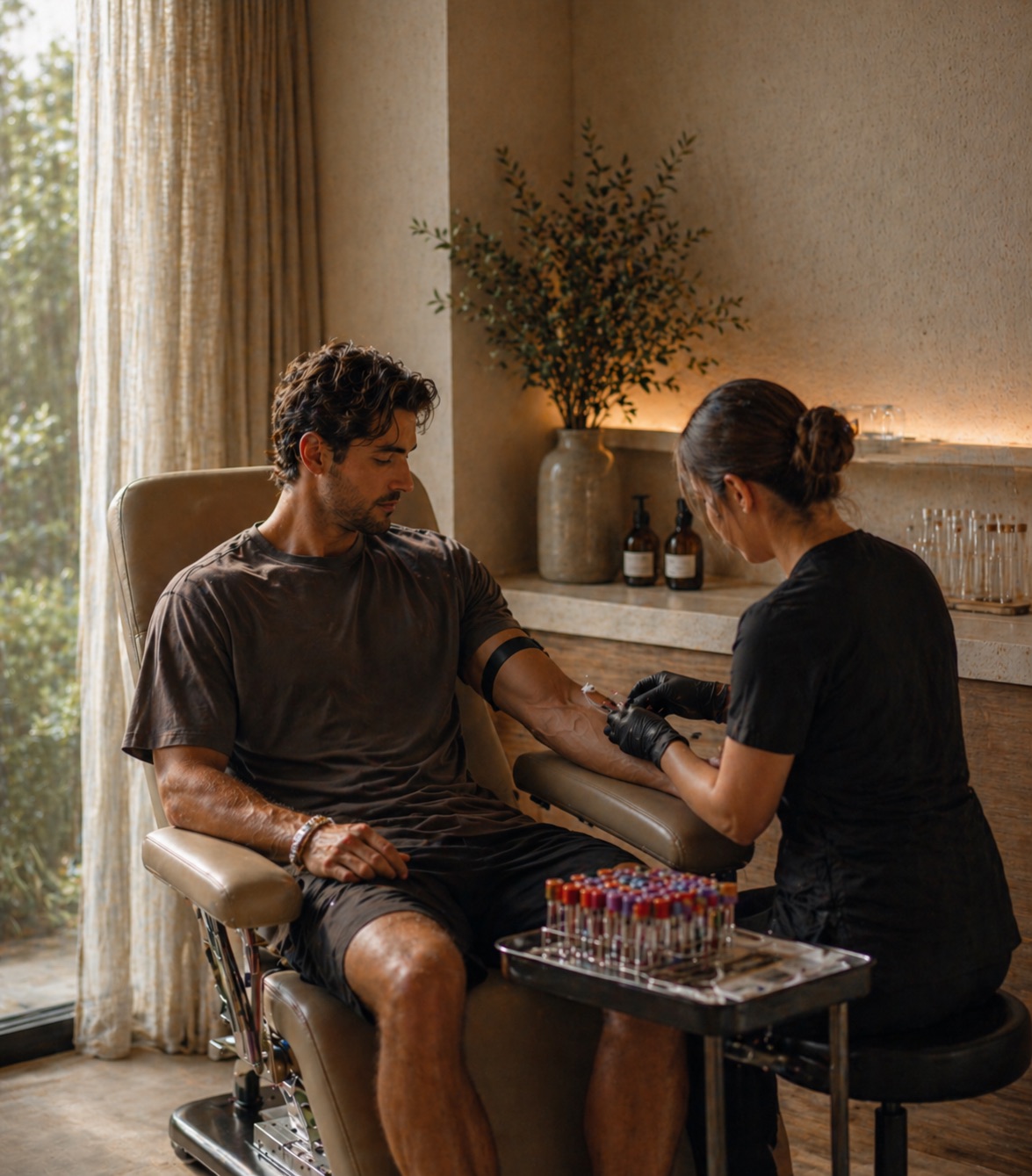
A curated selection of products, tools and rituals, carefully chosen by our expert doctors, to benefit you on your wellness journey.