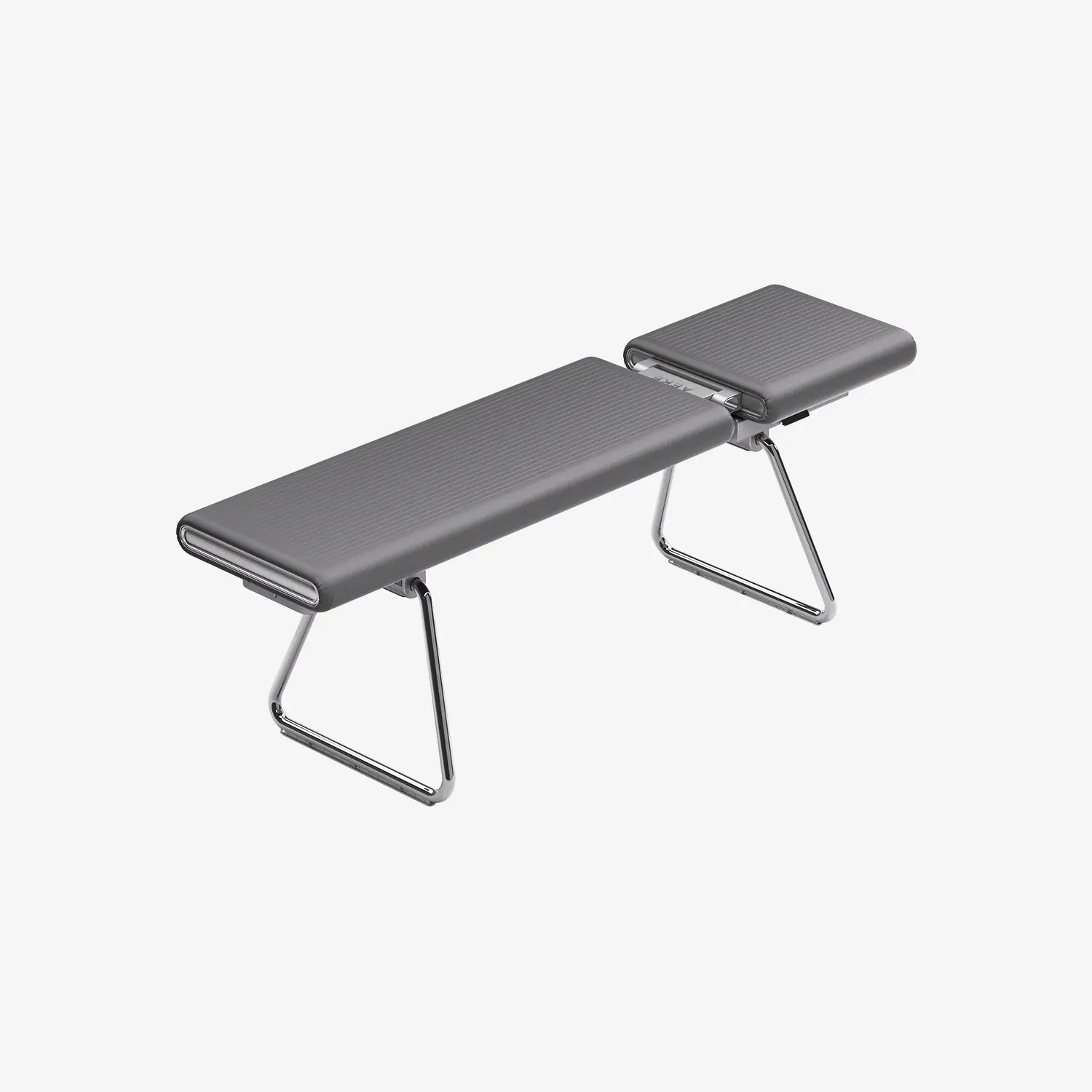
AEKE B1 Fitness Bench
The AEKE B1 Fitness Bench is a considered piece of home gym equipment for those who want a single, dependable surface to anchor a varied training programme.

£455.00
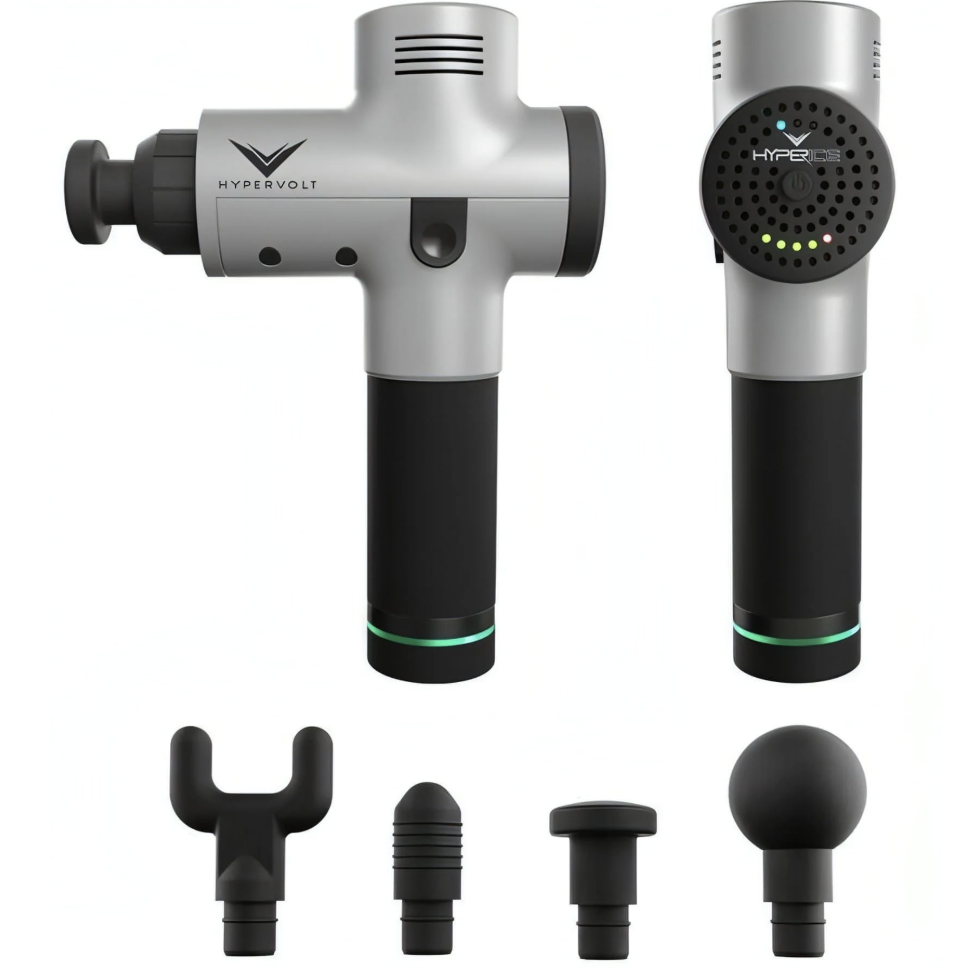
The Hyperice Hypervolt is a percussive massage device designed to support soft-tissue recovery between training sessions.
The AEKE B1 Fitness Bench is a considered piece of home gym equipment for those who want a single, dependable surface to anchor a varied training programme.

The AEKE K1 consolidates intelligent strength training and full-body conditioning into a single foldable unit — a practical proposition for home environments w…
Interested in more
personalised recommendations?

Set up your Wellness A\ Profile to connect your wearables, biomarkers and test results. Create a bespoke plan based on your unique biology. Expert-led, evidence-based.
Set up Profile nowThe Hyperice Hypervolt is a percussive massage device designed to support soft-tissue recovery between training sessions. Percussive therapy works by delivering rapid, repetitive pressure into muscle tissue, which may help reduce post-exercise soreness, improve localised circulation, and ease tension in overworked areas. It is a well-established category in athlete recovery, used by physiotherapists and strength coaches alongside, rather than instead of, structured cool-down and mobility work.
The Hypervolt is well suited to serious recreational athletes, gym-goers managing training volume, and anyone who deals with chronic muscle tightness from desk work or repetitive movement. It is compact enough to store at home and portable enough to travel with, making it a practical addition to a bag or a home gym corner.
Hyperice is one of the more recognised names in percussive therapy equipment, and the Hypervolt line has a track record in professional sport settings. The device is designed around a quieter motor, which makes sustained use less intrusive than older percussion tools. Build quality is solid for the price bracket. As with all recovery tools, it complements — it does not replace — adequate sleep, hydration, and progressive training load management. If you are managing a specific soft-tissue injury, use it alongside guidance from a physiotherapist rather than as a standalone treatment.
Quiet percussion massage technology
Apply the device head to the target muscle group and allow the percussive action to work through the area before moving on. Follow the guidance in the product manual for attachment selection and session duration. Avoid bony prominences, joints, and any area of acute injury or inflammation.
Foam rolling uses sustained pressure and body weight across a muscle group, whereas percussive therapy delivers rapid, localised pulses into the tissue. Both target soft-tissue tension; many people find the Hypervolt reaches areas that are difficult to address with a foam roller, and requires less effort and floor space.
Percussive devices are generally not recommended on acute injuries, inflamed tissue, or directly over joints. If you are managing a diagnosed soft-tissue injury, speak to a physiotherapist before use — they can advise on whether and how percussion fits into your rehabilitation.
For most people, daily use on major muscle groups is well tolerated, particularly after training or prolonged sitting. Check the product manual for recommended session lengths, and listen to your body — if an area feels worse after use, reduce frequency or consult a professional.
The Hypervolt is designed around a quieter motor than many earlier percussion devices. It is not silent, but it is generally considered manageable in a home environment — suitable for use without significantly disturbing others in the same room.
Attachment options vary by model and bundle; check the box contents on receipt. As a general guide, round or ball heads suit large muscle groups like quads and glutes, while flatter or fork heads are often used for the back and calves. The product manual will outline recommended use cases for each.
We offer physician-led talks and events to help you learn more about how to deal with stress through movement, mindfulness, and refocusing.
Learn about our next event
Overall sentiment
4 days ago
Gentle on a sensitive stomach, and I feel like myself again. I had tried two other glandulars before this and neither sat right.
1 week ago
I was sceptical about glandulars, but my mid-afternoon crash has genuinely eased. One capsule with breakfast and I forget about it.
2 weeks ago
Not a stimulant, which is exactly what I wanted. It took about ten days, then I realised I wasn’t dreading the afternoon any more.
3 weeks ago
Bought after a blood panel flagged a flat cortisol curve. Easy to take, no jitters, and the sourcing is refreshingly transparent.
1 month ago
Training hard through a stressful stretch and this has helped me bounce back between sessions. Already on my second bottle.
1 month ago
No frills, one ingredient, a sensible dose. I appreciate that it is designed to be used for a season rather than forever.
A blood test is the only way to know what your body actually needs. We’ll tell you which of these supplements is right for you.
Find your panel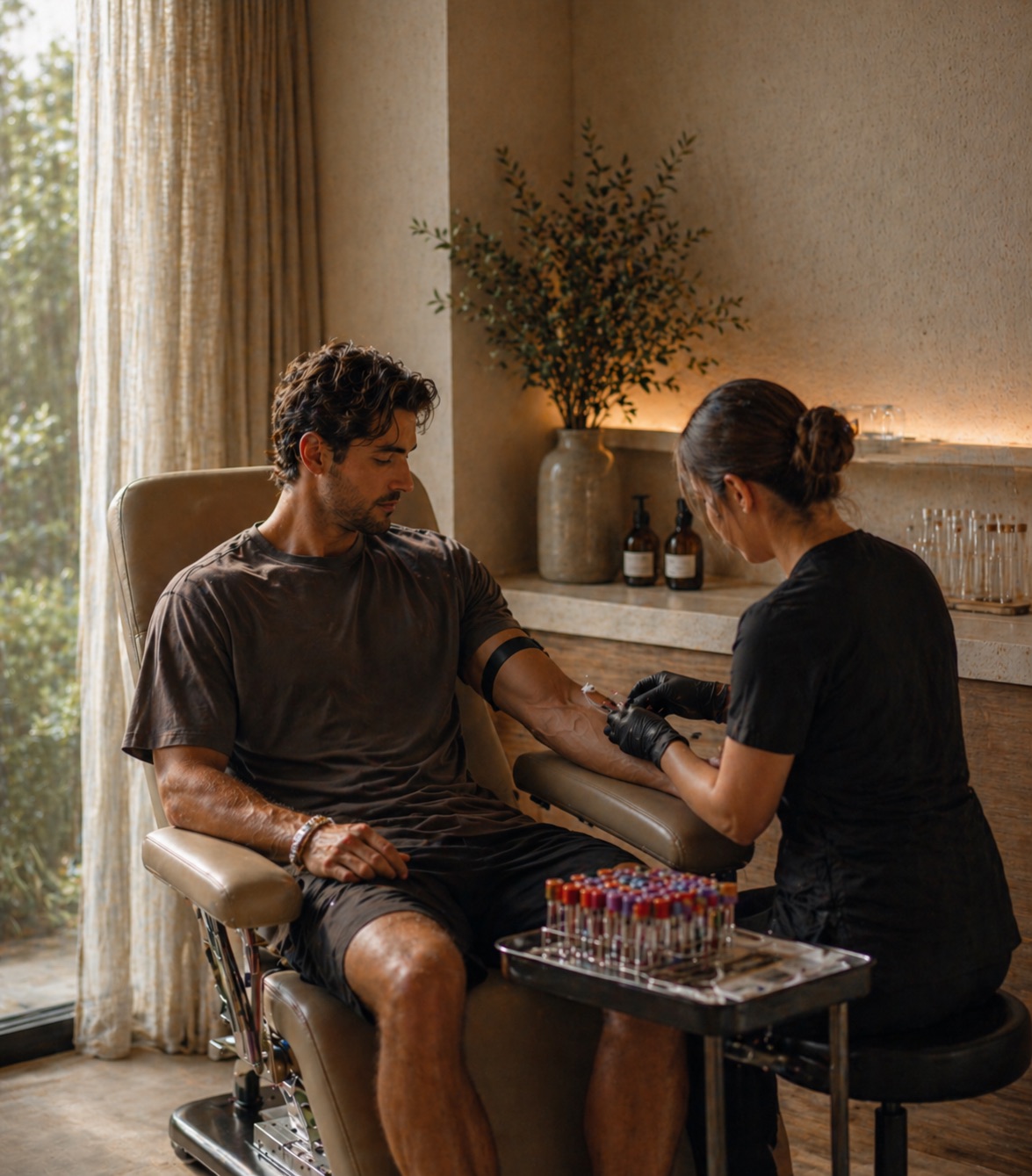
A curated selection of products, tools and rituals, carefully chosen by our expert doctors, to benefit you on your wellness journey.