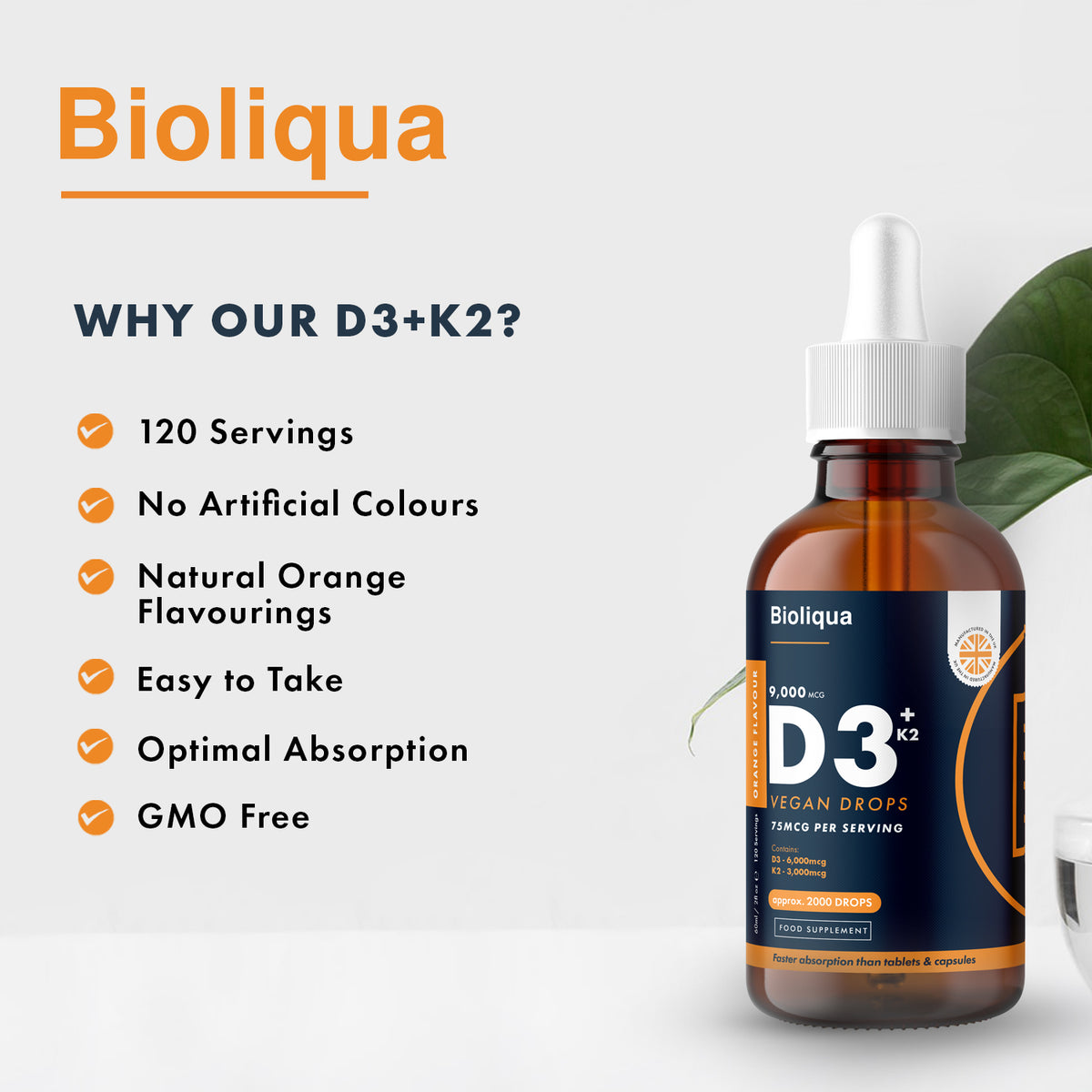
Vitamin D3 + K2 liquid drops
Vitamin D3 + K2 Liquid Drops deliver two fat-soluble nutrients that are commonly considered together: D3 as cholecalciferol — the form most readily converted a…

£20.00
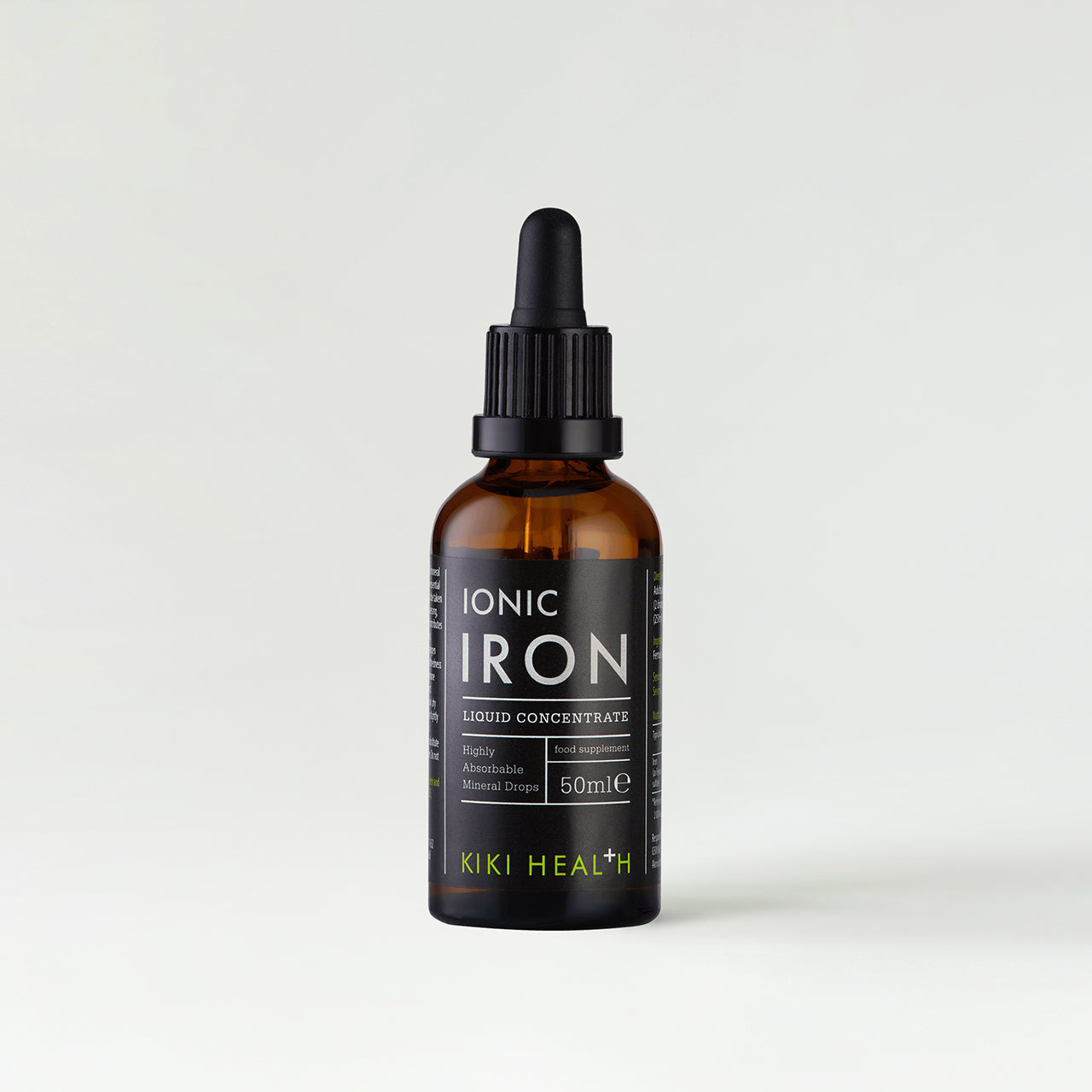
Ionic Iron Liquid Concentrate by KIKI Health is a liquid iron supplement delivering iron in its ionic form — a mineral state that is typically well-absorbed through the gut wall.
Vitamin D3 + K2 Liquid Drops deliver two fat-soluble nutrients that are commonly considered together: D3 as cholecalciferol — the form most readily converted a…
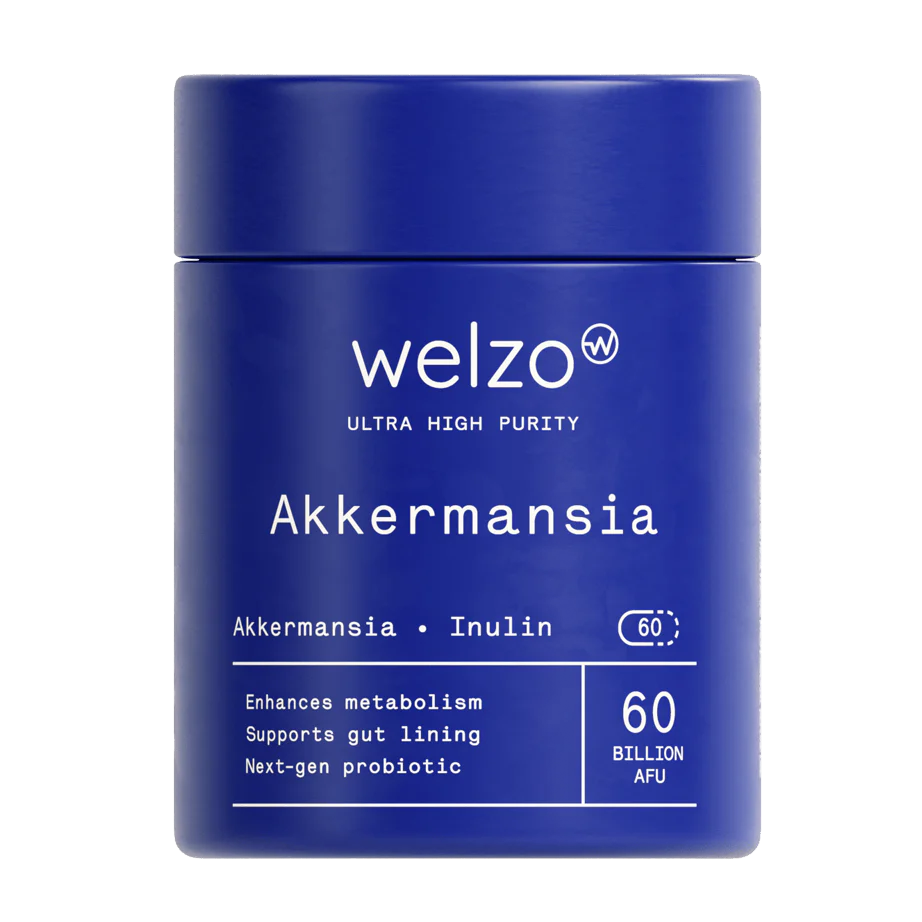
60 billion AFU of Akkermansia muciniphila plus 64 billion CFU of Lactobacillus acidophilus, 700 mg berberine, 200 mg inulin, 2.4 mg astaxanthin, and chromium i…
Interested in more
personalised recommendations?

Set up your Wellness A\ Profile to connect your wearables, biomarkers and test results. Create a bespoke plan based on your unique biology. Expert-led, evidence-based.
Set up Profile nowIonic Iron Liquid Concentrate by KIKI Health is a liquid iron supplement delivering iron in its ionic form — a mineral state that is typically well-absorbed through the gut wall. Iron is an essential trace mineral required for haemoglobin production, oxygen transport, and normal energy metabolism. Without adequate iron, red blood cells cannot carry oxygen efficiently, which commonly presents as fatigue, poor concentration, and reduced physical stamina.
This product suits people with confirmed low ferritin or iron deficiency, identified through a blood test. It is particularly relevant for menstruating individuals with higher monthly losses, those following plant-based diets where dietary iron is less bioavailable, and athletes in heavy training who deplete iron stores more rapidly. The liquid format makes dosing flexible and may suit those who struggle to tolerate standard ferrous sulphate tablets, which are known to cause gastric discomfort and constipation in some people.
Ionic iron, by nature of being in a dissolved mineral state, bypasses the need for significant digestive breakdown before absorption. This is a key formulation consideration for people with compromised gut function or low stomach acid. The liquid concentrate format also means the dose can be adjusted, which is useful when building tolerance or following a practitioner's specific guidance.
As with any iron supplement, it is advisable to confirm a deficiency via blood work before supplementing, and to retest after a course to monitor response. Iron interacts with several medications and nutrients, so check with a clinician if relevant.
Ionic Iron
Add the recommended number of drops to water or juice as directed on the packaging. Taking iron with a source of vitamin C may support absorption; avoid taking it alongside dairy, tea, or coffee, which can inhibit uptake. Follow the dosage on the packaging, or use as directed by your healthcare practitioner.
Yes. Iron is one of the few supplements where supplementing without confirmed deficiency carries real risk — excess iron accumulates in tissues and can cause harm. A simple ferritin blood test will tell you and your clinician whether supplementation is appropriate.
Ferrous sulphate tablets are the most common prescribed form, but they cause gastric side effects in a significant number of people. Ionic iron in liquid form is already dissolved and does not require the same degree of digestive processing, which may make it gentler on the stomach and more convenient to dose gradually.
Tea, coffee, dairy products, and calcium supplements can all inhibit iron absorption. Certain medications — including some antibiotics and thyroid drugs — also interact with iron. Separate your iron dose from these by at least two hours, and check with your doctor or pharmacist if you are on regular medication.
It typically takes several weeks of consistent supplementation before iron stores rebuild meaningfully. Most practitioners recommend retesting ferritin levels after around 8 to 12 weeks to assess response, though individual variation is significant.
Both groups can have elevated iron requirements, but dosing needs differ considerably from adults. Check with a GP or midwife before giving this to a child or taking it during pregnancy, and follow their specific guidance on dose.
We offer physician-led talks and events to help you learn more about how to deal with stress through movement, mindfulness, and refocusing.
Learn about our next event
Overall sentiment
4 days ago
Gentle on a sensitive stomach, and I feel like myself again. I had tried two other glandulars before this and neither sat right.
1 week ago
I was sceptical about glandulars, but my mid-afternoon crash has genuinely eased. One capsule with breakfast and I forget about it.
2 weeks ago
Not a stimulant, which is exactly what I wanted. It took about ten days, then I realised I wasn’t dreading the afternoon any more.
3 weeks ago
Bought after a blood panel flagged a flat cortisol curve. Easy to take, no jitters, and the sourcing is refreshingly transparent.
1 month ago
Training hard through a stressful stretch and this has helped me bounce back between sessions. Already on my second bottle.
1 month ago
No frills, one ingredient, a sensible dose. I appreciate that it is designed to be used for a season rather than forever.
A blood test is the only way to know what your body actually needs. We’ll tell you which of these supplements is right for you.
Find your panel
A curated selection of products, tools and rituals, carefully chosen by our expert doctors, to benefit you on your wellness journey.