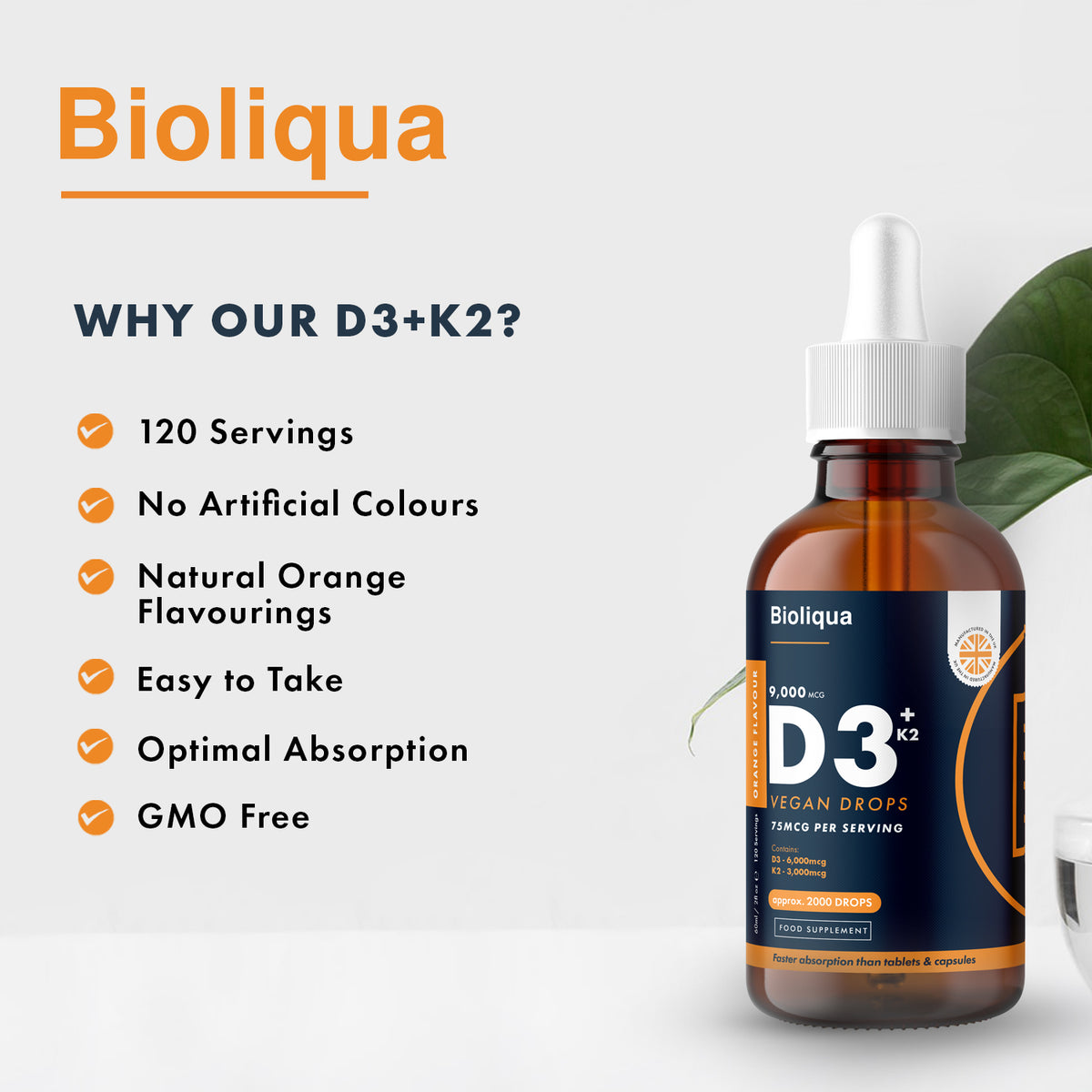
Vitamin D3 + K2 liquid drops
Vitamin D3 + K2 Liquid Drops deliver two fat-soluble nutrients that are commonly considered together: D3 as cholecalciferol — the form most readily converted a…

£75.00
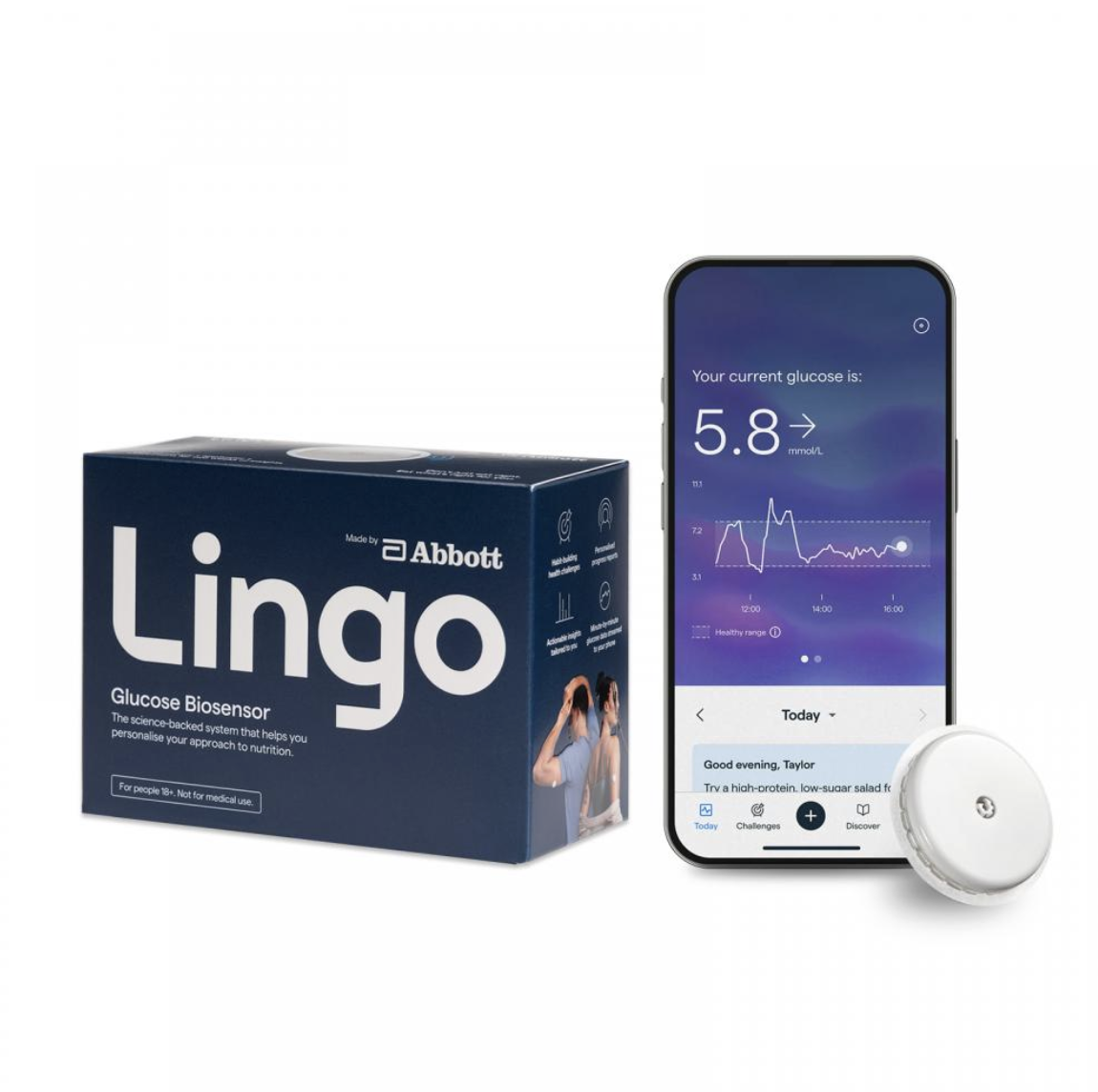
The Lingo CGM is a continuous glucose monitor worn on the upper arm that tracks your blood glucose levels in real time across a two-week period.
Vitamin D3 + K2 Liquid Drops deliver two fat-soluble nutrients that are commonly considered together: D3 as cholecalciferol — the form most readily converted a…
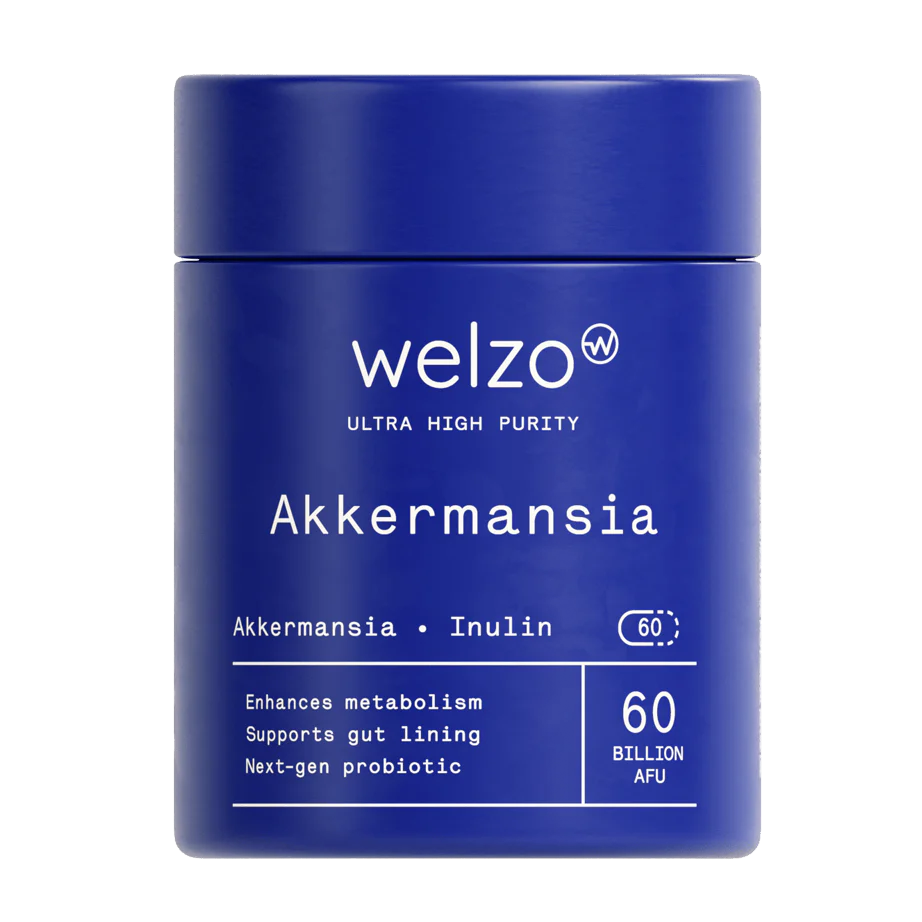
60 billion AFU of Akkermansia muciniphila plus 64 billion CFU of Lactobacillus acidophilus, 700 mg berberine, 200 mg inulin, 2.4 mg astaxanthin, and chromium i…
Interested in more
personalised recommendations?

Set up your Wellness A\ Profile to connect your wearables, biomarkers and test results. Create a bespoke plan based on your unique biology. Expert-led, evidence-based.
Set up Profile nowThe Lingo CGM is a continuous glucose monitor worn on the upper arm that tracks your blood glucose levels in real time across a two-week period. Rather than a single fasted reading, it maps how your glucose responds to meals, sleep, stress, and exercise — patterns that a snapshot blood test simply cannot capture. That data gives you and your clinician a far more nuanced picture of your metabolic health.
It suits anyone who wants to understand how their diet affects blood sugar, from people who have been flagged with borderline insulin sensitivity to athletes optimising fuelling strategies around training. It is also well suited to individuals who experience energy crashes, persistent fatigue, or difficulty managing weight, where glucose variability is a plausible but unconfirmed factor.
Wearing a CGM for two weeks is generally considered the minimum period needed to identify meaningful patterns across varied days — workdays, rest days, different meal types. The Lingo device pairs with an app that presents the data in accessible trend graphs, helping you make specific, evidence-informed adjustments rather than guesses.
This is not a diagnostic medical device in the clinical sense, but it is the same sensor-based technology used in continuous metabolic monitoring. For most users, the value lies in the data it hands back to you — concrete, personal, and actionable with the right clinical support.
Continuous glucose monitor for metabolic health
Apply the sensor to the upper arm following the instructions included in the box. Wear continuously for the two-week period, including during sleep, to capture the full range of daily patterns. Review your data via the companion app and, where possible, discuss trends with a clinician.
The Lingo CGM is available as a consumer device and does not require a prescription in the UK. That said, if you have a diagnosed metabolic condition such as diabetes, speak to your GP before using it, as clinical-grade monitoring may be more appropriate for your situation.
The sensor is applied with a small applicator that inserts a fine filament just under the skin. Most users report minimal discomfort on insertion and little to none during the two-week wear period. Skin sensitivity can vary, so check the instructions for guidance on placement and removal.
The companion app displays your glucose as a continuous trend line, showing how levels rise and fall in response to food, activity, stress, and sleep. This lets you identify which meals cause sharp spikes, how long your glucose takes to return to baseline, and whether your levels are stable overnight.
It is particularly useful for people with borderline insulin sensitivity, unexplained energy crashes, difficulty managing weight, or those who want to optimise nutrition around sport or demanding work schedules. It is also a practical tool for anyone whose blood panel has raised questions that a static reading cannot resolve.
Two weeks is generally considered a sufficient window to capture patterns across varied days — different meals, training days, rest days, and sleep quality. For many people a single two-week session provides enough data to make meaningful dietary adjustments, though some users choose to repeat it after making changes to track progress.
We offer physician-led talks and events to help you learn more about how to deal with stress through movement, mindfulness, and refocusing.
Learn about our next event
Overall sentiment
4 days ago
Gentle on a sensitive stomach, and I feel like myself again. I had tried two other glandulars before this and neither sat right.
1 week ago
I was sceptical about glandulars, but my mid-afternoon crash has genuinely eased. One capsule with breakfast and I forget about it.
2 weeks ago
Not a stimulant, which is exactly what I wanted. It took about ten days, then I realised I wasn’t dreading the afternoon any more.
3 weeks ago
Bought after a blood panel flagged a flat cortisol curve. Easy to take, no jitters, and the sourcing is refreshingly transparent.
1 month ago
Training hard through a stressful stretch and this has helped me bounce back between sessions. Already on my second bottle.
1 month ago
No frills, one ingredient, a sensible dose. I appreciate that it is designed to be used for a season rather than forever.
A blood test is the only way to know what your body actually needs. We’ll tell you which of these supplements is right for you.
Find your panel
A curated selection of products, tools and rituals, carefully chosen by our expert doctors, to benefit you on your wellness journey.