 Free delivery
Why The Wellness recommends this
Curated, not stocked.
Magnesium glycinate earned its place here because form matters with magnesium. Many cheaper products use oxide, which has poor absorption and a laxative effect at modest doses. The glycinate chelate is what our doctors tend to reach for when sleep, stress resilience, or muscle recovery is the clinical goal — and it is the form most likely to move the needle in someone who is genuinely depleted.
About this product
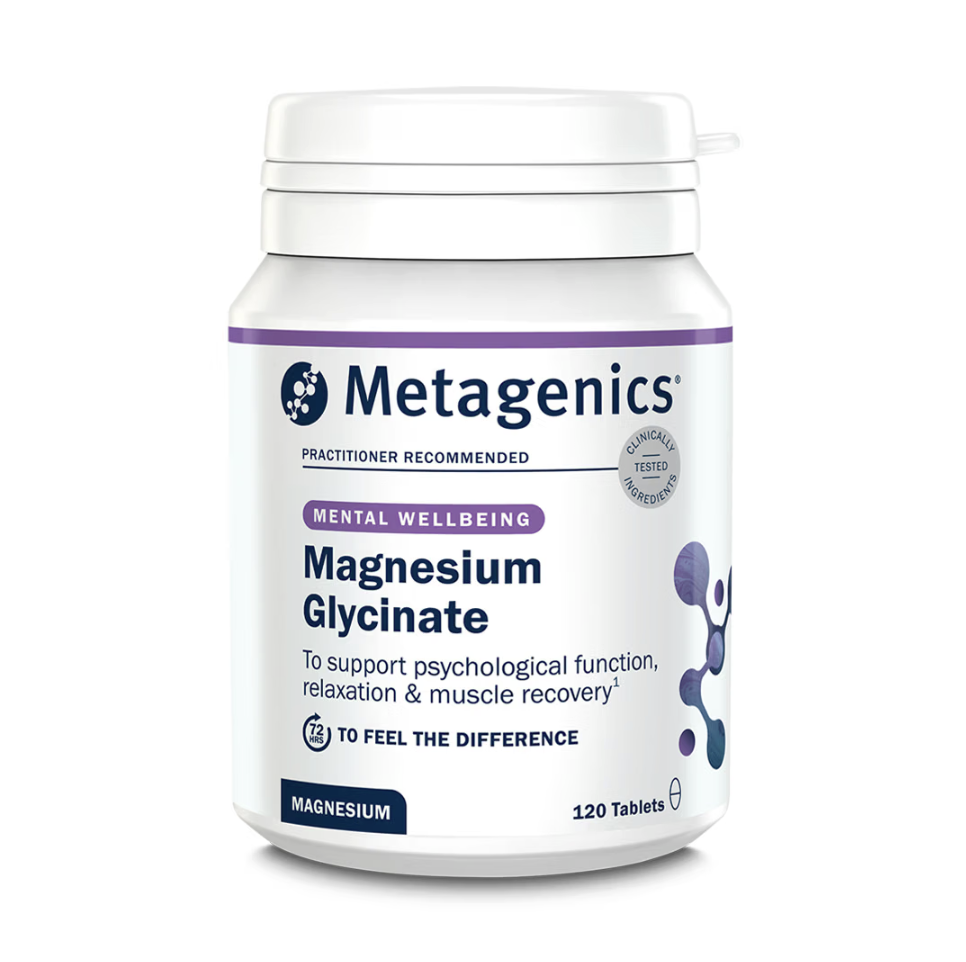
Magnesium Glycinate Capsules
Magnesium Glycinate Capsules deliver magnesium in its chelated glycinate form — one of the better-absorbed oral forms of the mineral, and the one most commonly chosen when the goal is sleep quality, nervous system calm, or muscle recovery rather than simple repletion.
Magnesium is a cofactor in hundreds of enzymatic reactions, including those governing neurotransmitter regulation, protein synthesis, and the management of cortisol. Many adults fall short of adequate intake through diet alone, and suboptimal magnesium status is associated with poor sleep architecture, low mood, and muscle cramping — particularly in people under sustained physical or mental stress.
Magnesium glycinate is generally well-tolerated in the gut compared with oxide or sulphate forms, which can have a laxative effect at higher doses. The glycinate carrier itself is an inhibitory amino acid that may add to the calming profile, though the evidence here is still developing.
This format suits people who have confirmed low magnesium via a blood test, those in heavy training blocks, individuals with consistently poor sleep unrelated to sleep hygiene, and anyone whose diet is low in nuts, seeds, and leafy greens. It also sits well within a broader cognition-support routine given magnesium's role in NMDA receptor function and neuroplasticity. Follow the dosage on the packaging, and take with a clinician's awareness of your full supplement stack.
What it does
Benefits
- 01
Chelated form for better gastrointestinal absorption
- 02
May support sleep onset and sleep quality
- 03
Useful during heavy training or high-stress periods
- 04
Generally gentler on the gut than oxide forms
- 05
Supports nerve and muscle function daily
Get the most from it
How to use
Follow the dosage on the packaging. Magnesium glycinate is commonly taken in the evening with a meal or shortly before bed, which aligns with its use for sleep and recovery. If you are taking other supplements or medications, check with a clinician before adding it to your routine.
What's inside
Ingredients
View full ingredient list
High-absorption magnesium for sleep & recovery
Common questions
Frequently asked
How does magnesium glycinate differ from other forms of magnesium?
Magnesium is sold in many salt forms — oxide, citrate, malate, glycinate, and others. Glycinate is a chelated form, meaning the magnesium is bound to the amino acid glycine. This generally improves absorption and is less likely to cause the loose stools associated with oxide or high-dose citrate. It is the form most often chosen for sleep and nervous system support.
How long before I notice a difference?
If you are genuinely deficient, some people notice improvements in sleep quality or muscle tension within one to two weeks of consistent use. That said, magnesium is not a sedative — the effect is subtle and cumulative. A follow-up blood test after six to eight weeks is a reasonable way to confirm your levels have moved.
Who might not be suitable for this supplement?
People with kidney disease should not supplement magnesium without medical supervision, as the kidneys regulate magnesium excretion and impaired function can lead to accumulation. Those taking certain medications — including some antibiotics, diuretics, or bisphosphonates — should check for interactions with a clinician before starting.
Should I take it with food or on an empty stomach?
Magnesium glycinate is generally well-tolerated either way, but taking it with a small meal can reduce any chance of nausea, particularly when you are first starting. Many people prefer taking it in the evening given its association with sleep and relaxation.
Do I need a blood test before taking this?
It is not strictly required, but it is worth considering. Serum magnesium is a standard marker on a comprehensive blood panel, and knowing your baseline helps you understand whether you are actually deficient or simply supplementing without cause. If you would like to test before you start, we offer blood panels through the clinic.
Doctor-guided care
Some things need a clinician.
Adaptogens go a long way. When they do not, our doctors are who you should be talking to.
Speak to a doctorFrom real customers
Reviews
No reviews yet
Be the first to share your experience.
Loading reviews…