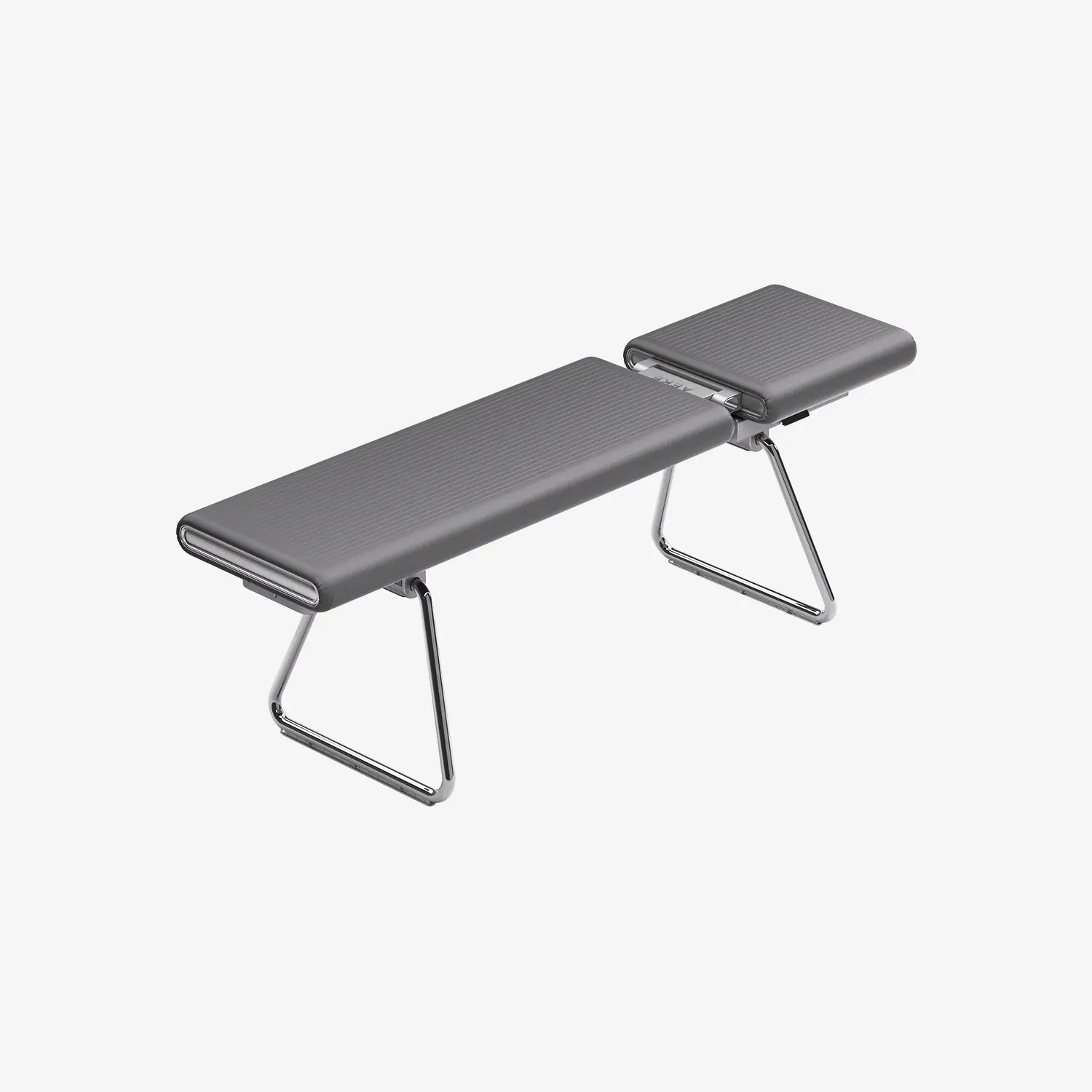
AEKE B1 Fitness Bench
The AEKE B1 Fitness Bench is a considered piece of home gym equipment for those who want a single, dependable surface to anchor a varied training programme.

£550.00
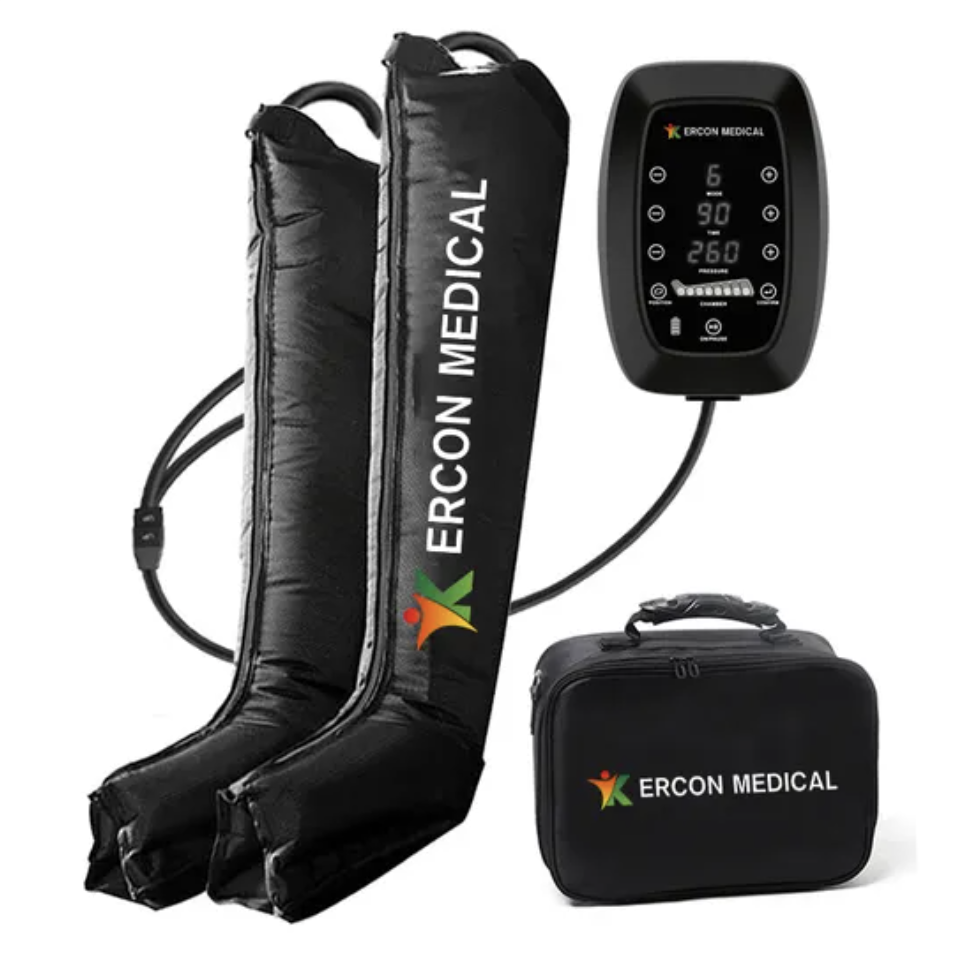
Recovery boots are pneumatic compression devices worn over the legs — from foot to upper thigh — that use sequential air pressure to mimic and amplify the body's natural circulatory process.
The AEKE B1 Fitness Bench is a considered piece of home gym equipment for those who want a single, dependable surface to anchor a varied training programme.

The AEKE K1 consolidates intelligent strength training and full-body conditioning into a single foldable unit — a practical proposition for home environments w…
Interested in more
personalised recommendations?

Set up your Wellness A\ Profile to connect your wearables, biomarkers and test results. Create a bespoke plan based on your unique biology. Expert-led, evidence-based.
Set up Profile nowRecovery boots are pneumatic compression devices worn over the legs — from foot to upper thigh — that use sequential air pressure to mimic and amplify the body's natural circulatory process. Chambers inflate and deflate in sequence, pushing fluid up the limb and encouraging blood and lymphatic return. The result is faster clearance of metabolic waste after hard training, reduced muscle soreness, and a feeling of lighter, less fatigued legs.
These are suited to anyone whose training volume or intensity leaves them with heavy, aching legs the following day: endurance athletes managing back-to-back sessions, strength athletes recovering between heavy lower-body days, or simply people who spend long hours on their feet and want a structured recovery tool at home. They sit naturally in an evening routine — put them on for a session while you read or wind down, and let the compression do the work.
Compression therapy is one of the more evidence-backed recovery modalities, with a reasonable body of research suggesting it may support venous return, reduce perceived soreness, and lower markers of post-exercise inflammation. At this price point, a well-built pair of recovery boots represents a long-term investment in recovery infrastructure rather than a consumable — quality of construction and reliability of the pump unit matter considerably. Check packaging for specific pressure settings and session length guidance.
Professional compression therapy
Wear the boots while seated or lying down following training. Follow the pressure settings and session duration guidance on the packaging, as optimal timing and intensity can vary by model. Most users incorporate a session in the evening, after exercise.
Session length varies by model and manufacturer guidance — check the instructions included with your unit for recommended duration and pressure settings. Many users find 20 to 30 minutes sufficient, but follow the device's own guidance rather than a general rule.
Most athletes use them in the hours following a training session, when muscle soreness and fluid accumulation tend to be highest. Evening use is common and practical, as you can wear them at rest while the compression cycle runs.
Pneumatic compression devices are not appropriate for everyone. If you have deep vein thrombosis, peripheral vascular disease, or other circulatory or skin conditions affecting the legs, consult a clinician before use.
Compression socks and sleeves apply static, passive pressure, whereas pneumatic boots use active sequential inflation to move fluid directionally up the limb. The dynamic mechanism is generally considered more effective for post-exercise recovery, though socks remain useful during activity or travel.
No — consistent use on heavy training days or during periods of high volume tends to be where the benefit is most noticeable. Daily use is unlikely to cause harm for most healthy individuals, but the clearest case for use is the recovery window following intense lower-body exercise.
We offer physician-led talks and events to help you learn more about how to deal with stress through movement, mindfulness, and refocusing.
Learn about our next event
Overall sentiment
4 days ago
Gentle on a sensitive stomach, and I feel like myself again. I had tried two other glandulars before this and neither sat right.
1 week ago
I was sceptical about glandulars, but my mid-afternoon crash has genuinely eased. One capsule with breakfast and I forget about it.
2 weeks ago
Not a stimulant, which is exactly what I wanted. It took about ten days, then I realised I wasn’t dreading the afternoon any more.
3 weeks ago
Bought after a blood panel flagged a flat cortisol curve. Easy to take, no jitters, and the sourcing is refreshingly transparent.
1 month ago
Training hard through a stressful stretch and this has helped me bounce back between sessions. Already on my second bottle.
1 month ago
No frills, one ingredient, a sensible dose. I appreciate that it is designed to be used for a season rather than forever.
A blood test is the only way to know what your body actually needs. We’ll tell you which of these supplements is right for you.
Find your panel
A curated selection of products, tools and rituals, carefully chosen by our expert doctors, to benefit you on your wellness journey.