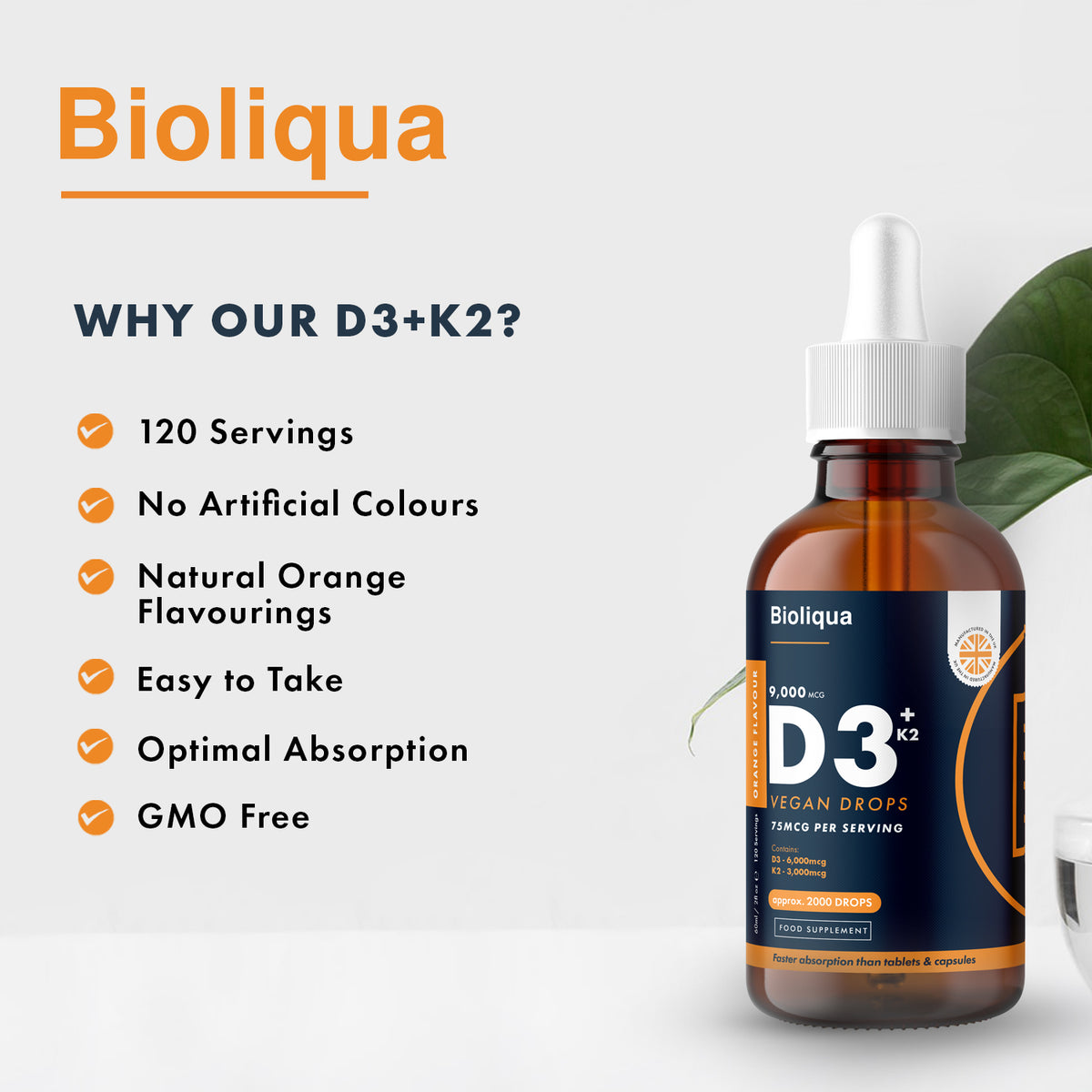
Vitamin D3 + K2 liquid drops
Vitamin D3 + K2 Liquid Drops deliver two fat-soluble nutrients that are commonly considered together: D3 as cholecalciferol — the form most readily converted a…

£1165.00
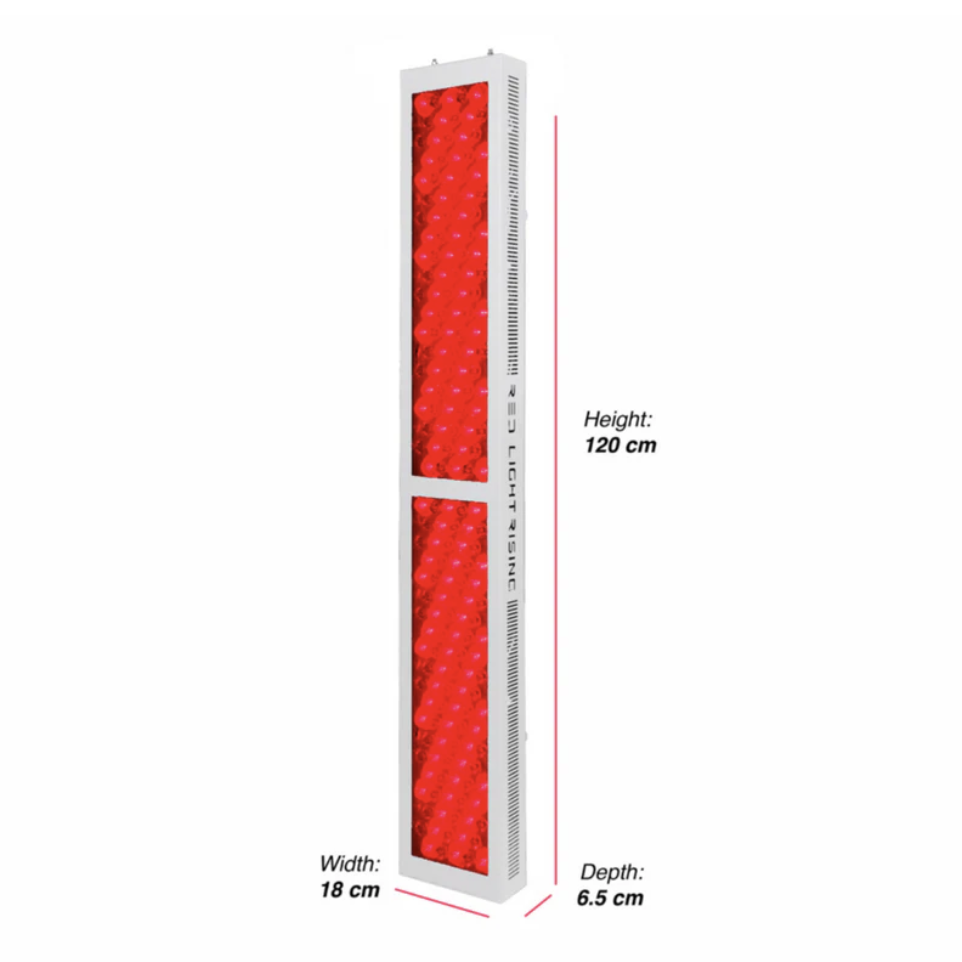
The Red Light Rising Advantage 900 is a full-body red light therapy panel designed for home use at a clinical output level.
Vitamin D3 + K2 Liquid Drops deliver two fat-soluble nutrients that are commonly considered together: D3 as cholecalciferol — the form most readily converted a…
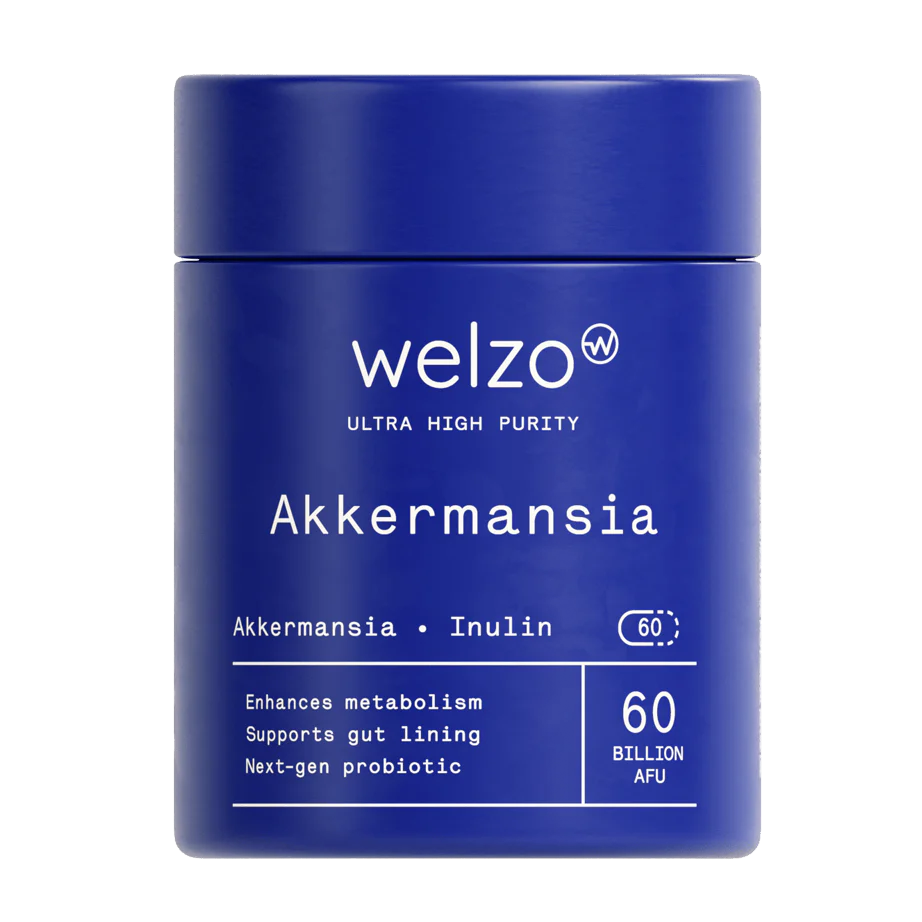
60 billion AFU of Akkermansia muciniphila plus 64 billion CFU of Lactobacillus acidophilus, 700 mg berberine, 200 mg inulin, 2.4 mg astaxanthin, and chromium i…
Interested in more
personalised recommendations?

Set up your Wellness A\ Profile to connect your wearables, biomarkers and test results. Create a bespoke plan based on your unique biology. Expert-led, evidence-based.
Set up Profile nowThe Red Light Rising Advantage 900 is a full-body red light therapy panel designed for home use at a clinical output level. Red light therapy works by delivering specific wavelengths of light — typically in the red and near-infrared spectrum — to the skin and underlying tissue. At these wavelengths, light is absorbed by mitochondria, which may support cellular energy production, tissue recovery, and skin health. The Advantage 900 sits at the larger end of the Red Light Rising range, making it suited to whole-body sessions rather than targeted spot treatment.
This panel is for people who want to bring a structured light therapy protocol into their daily routine — whether that is post-training recovery, skin health maintenance, or general wellbeing support. It is not a casual-use device; the investment and the output make most sense for someone who will use it consistently and track the results.
Red light therapy as a category has a growing body of research behind it, particularly around recovery, inflammation, and skin collagen. Red Light Rising is a specialist brand focused solely on this technology, which gives them a narrower and better-defined focus than general wellness device manufacturers. As with any light therapy device, benefit is dose- and consistency-dependent — the panel's output and build quality matter, but so does the regularity of use.
Clinical-grade red light therapy panel
Position the panel according to the manufacturer's guidance on distance and session length. Follow the protocol outlined in the product instructions, including recommended exposure times. Consistency across sessions matters more than single long exposures.
Most red light therapy devices, including panels in this category, emit wavelengths in the red range (roughly 630–660 nm) and near-infrared range (around 800–850 nm). Red wavelengths penetrate the skin surface and are studied for skin health; near-infrared penetrates deeper into muscle and joint tissue and is more commonly associated with recovery. Check the product specification sheet for the exact wavelengths emitted by the Advantage 900.
Optimal distance varies by device output and intended use. Closer positions increase irradiance (energy delivered to tissue); greater distances reduce it. Follow Red Light Rising's published protocol for the Advantage 900 specifically, as the correct range will be calibrated to this panel's output.
Research in the red light category generally points to consistent use over several weeks before measurable changes — particularly for skin texture or recovery metrics. Single sessions are unlikely to produce noticeable effects; a structured daily or near-daily protocol over four to eight weeks is a more realistic window.
Red light therapy at the wavelengths used in this category is generally considered safe for daily use in healthy adults. That said, follow the session duration and frequency guidelines provided by Red Light Rising, and consult a clinician if you have photosensitive conditions or take photosensitising medications.
People with photosensitive skin conditions, those taking medications that increase light sensitivity, or individuals with active cancer should consult a doctor before using any red light therapy device. Avoid directing near-infrared light at the eyes without appropriate protection.
We offer physician-led talks and events to help you learn more about how to deal with stress through movement, mindfulness, and refocusing.
Learn about our next event
Overall sentiment
4 days ago
Gentle on a sensitive stomach, and I feel like myself again. I had tried two other glandulars before this and neither sat right.
1 week ago
I was sceptical about glandulars, but my mid-afternoon crash has genuinely eased. One capsule with breakfast and I forget about it.
2 weeks ago
Not a stimulant, which is exactly what I wanted. It took about ten days, then I realised I wasn’t dreading the afternoon any more.
3 weeks ago
Bought after a blood panel flagged a flat cortisol curve. Easy to take, no jitters, and the sourcing is refreshingly transparent.
1 month ago
Training hard through a stressful stretch and this has helped me bounce back between sessions. Already on my second bottle.
1 month ago
No frills, one ingredient, a sensible dose. I appreciate that it is designed to be used for a season rather than forever.
A blood test is the only way to know what your body actually needs. We’ll tell you which of these supplements is right for you.
Find your panel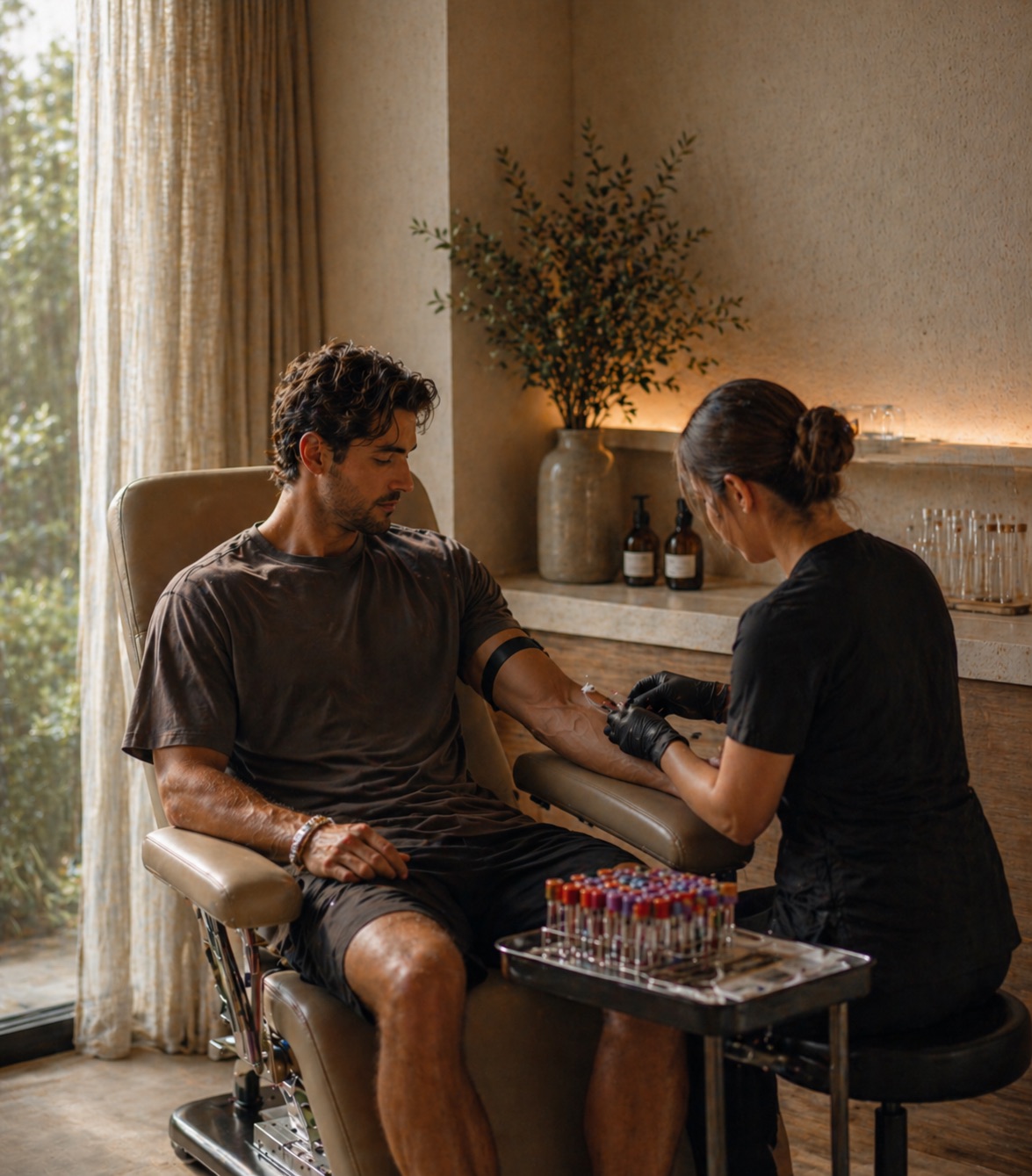
A curated selection of products, tools and rituals, carefully chosen by our expert doctors, to benefit you on your wellness journey.