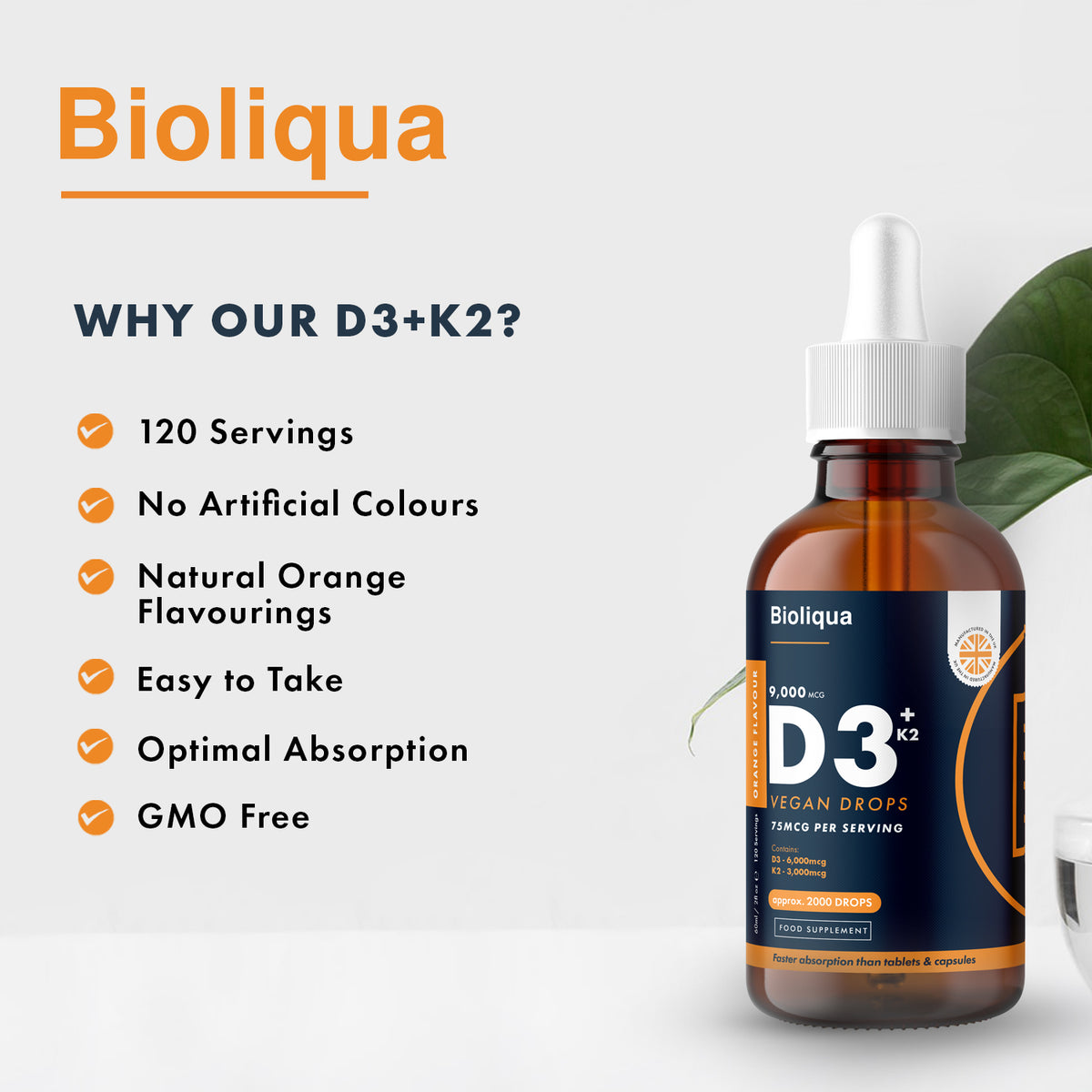
Vitamin D3 + K2 liquid drops
Vitamin D3 + K2 Liquid Drops deliver two fat-soluble nutrients that are commonly considered together: D3 as cholecalciferol — the form most readily converted a…

£20.00
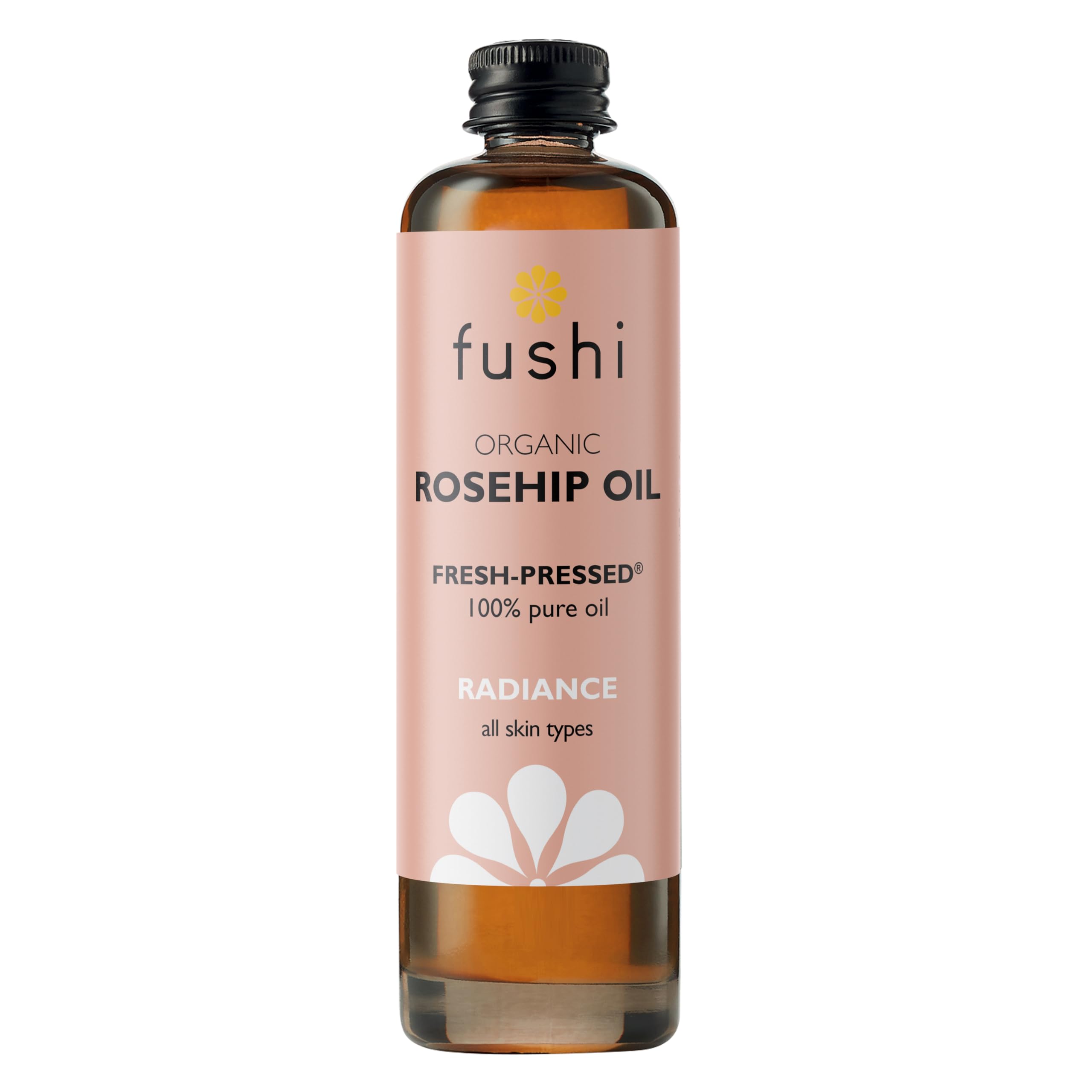
Fushi Rosehip Oil is a single-ingredient facial and body oil, cold-pressed from organic rosehip seeds.
Vitamin D3 + K2 Liquid Drops deliver two fat-soluble nutrients that are commonly considered together: D3 as cholecalciferol — the form most readily converted a…
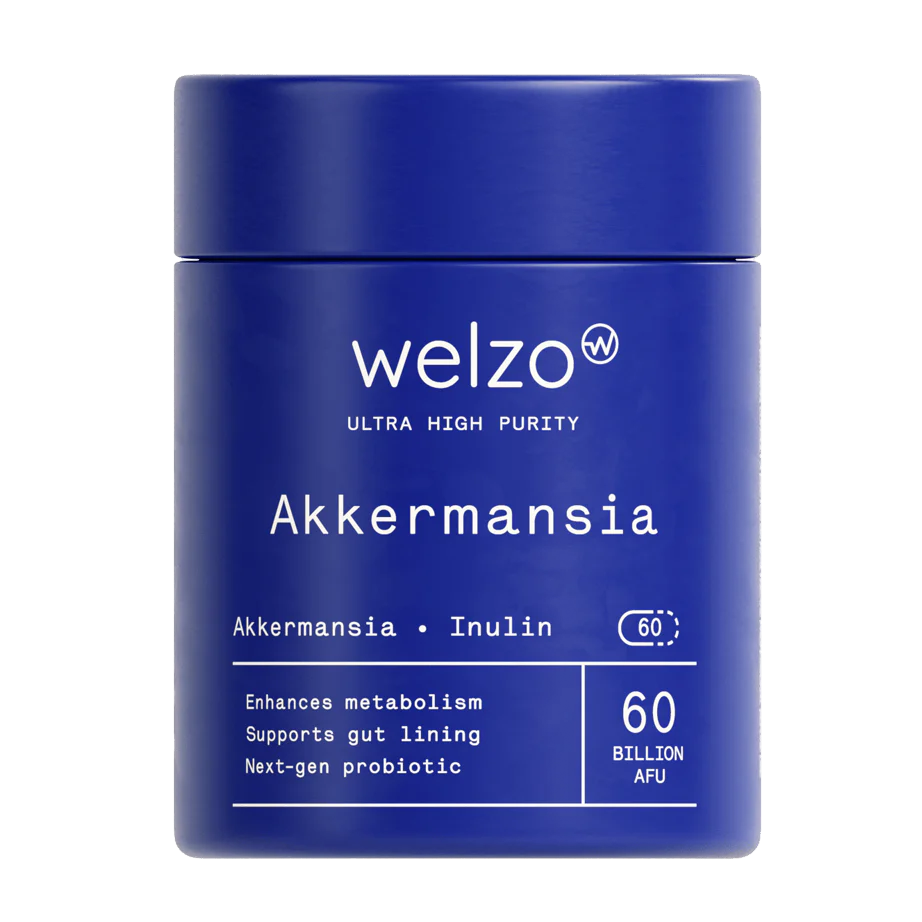
60 billion AFU of Akkermansia muciniphila plus 64 billion CFU of Lactobacillus acidophilus, 700 mg berberine, 200 mg inulin, 2.4 mg astaxanthin, and chromium i…
Interested in more
personalised recommendations?

Set up your Wellness A\ Profile to connect your wearables, biomarkers and test results. Create a bespoke plan based on your unique biology. Expert-led, evidence-based.
Set up Profile nowFushi Rosehip Oil is a single-ingredient facial and body oil, cold-pressed from organic rosehip seeds. Rosehip seed oil is rich in essential fatty acids — primarily linoleic and alpha-linolenic acid — which help maintain the skin's barrier function and support cell turnover. It also contains naturally occurring vitamin A precursors (trans-retinoic acid derivatives) that are studied for their role in improving the appearance of scars, pigmentation, and fine lines with consistent use.
This oil suits most skin types, including sensitive and post-procedure skin, though those prone to congestion should patch-test first, as rosehip is moderately comedogenic for some. It fits neatly into an evening routine as a finishing oil, applied after serums and before a heavier moisturiser if layering. It can also be used alone on the body for dry patches or stretch marks.
Fushi press their oils fresh to order, meaning the oil is not sitting in a warehouse oxidising before it reaches you. Rosehip oil is notoriously unstable — prone to rancidity from heat and light exposure — so freshness and correct storage matter more here than with many other carrier oils. The single-ingredient, organic formulation means no added fragrance, preservatives, or diluting agents.
Organic Rosehip Seed Oil
Apply a few drops to cleansed skin, warming between fingertips before pressing gently into the face or body. Best used in the evening, after water-based serums and before any heavier moisturiser. Store in a cool, dark place to protect the oil from oxidation.
Rosehip seed oil has a moderate comedogenic rating, so it suits some oily skin types but not all. If you are prone to congestion, patch-test on the jawline for a week before applying to the full face.
Evening is generally preferred. Vitamin A derivatives in rosehip oil can be mildly photosensitive, and the skin's repair processes are most active overnight. If you use it in the morning, apply SPF afterwards.
Yes — rosehip oil is typically applied as the final step before moisturiser, so it can sit over a retinol serum. Bear in mind both contain vitamin A actives; if your skin is new to retinol, introduce them gradually to avoid sensitivity.
With consistent daily use, improvements in skin texture and tone are typically noticed over six to twelve weeks. Scarring and deeper pigmentation take longer and may require several months.
Keep the bottle in a cool, dark place — a bathroom cabinet away from direct light and heat is ideal. Rosehip oil oxidises relatively quickly once opened; the scent turning rancid or sharp is a sign it has degraded and should be replaced.
We offer physician-led talks and events to help you learn more about how to deal with stress through movement, mindfulness, and refocusing.
Learn about our next event
Overall sentiment
4 days ago
Gentle on a sensitive stomach, and I feel like myself again. I had tried two other glandulars before this and neither sat right.
1 week ago
I was sceptical about glandulars, but my mid-afternoon crash has genuinely eased. One capsule with breakfast and I forget about it.
2 weeks ago
Not a stimulant, which is exactly what I wanted. It took about ten days, then I realised I wasn’t dreading the afternoon any more.
3 weeks ago
Bought after a blood panel flagged a flat cortisol curve. Easy to take, no jitters, and the sourcing is refreshingly transparent.
1 month ago
Training hard through a stressful stretch and this has helped me bounce back between sessions. Already on my second bottle.
1 month ago
No frills, one ingredient, a sensible dose. I appreciate that it is designed to be used for a season rather than forever.
A blood test is the only way to know what your body actually needs. We’ll tell you which of these supplements is right for you.
Find your panel
A curated selection of products, tools and rituals, carefully chosen by our expert doctors, to benefit you on your wellness journey.