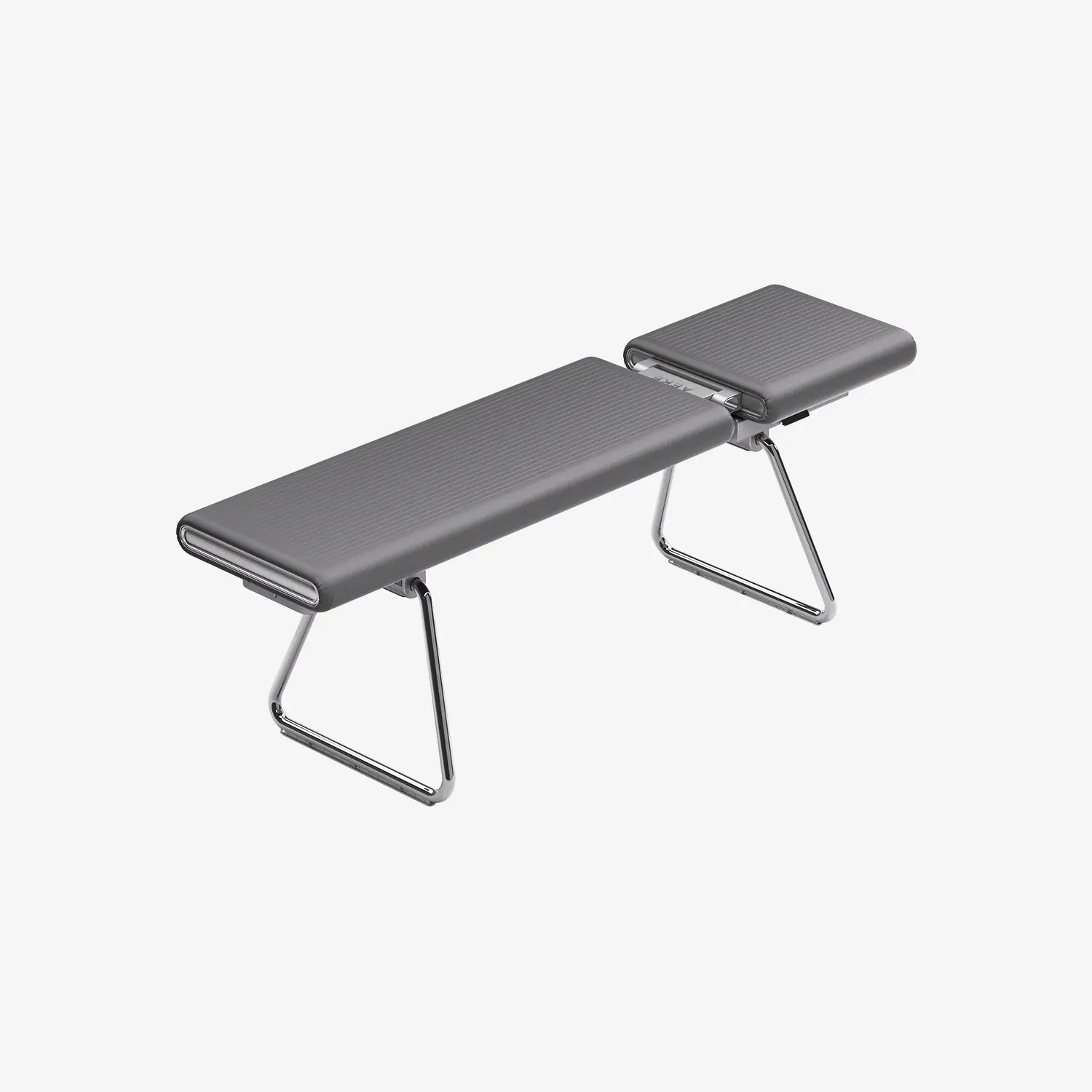
AEKE B1 Fitness Bench
The AEKE B1 Fitness Bench is a considered piece of home gym equipment for those who want a single, dependable surface to anchor a varied training programme.

£70.00
The TriggerPoint GRID Foam Roller is a multi-density foam roller designed for myofascial release — the practice of applying sustained pressure to soft tissue to reduce muscle tension, improve range of motion, and suppor…
The AEKE B1 Fitness Bench is a considered piece of home gym equipment for those who want a single, dependable surface to anchor a varied training programme.

The AEKE K1 consolidates intelligent strength training and full-body conditioning into a single foldable unit — a practical proposition for home environments w…
Interested in more
personalised recommendations?

Set up your Wellness A\ Profile to connect your wearables, biomarkers and test results. Create a bespoke plan based on your unique biology. Expert-led, evidence-based.
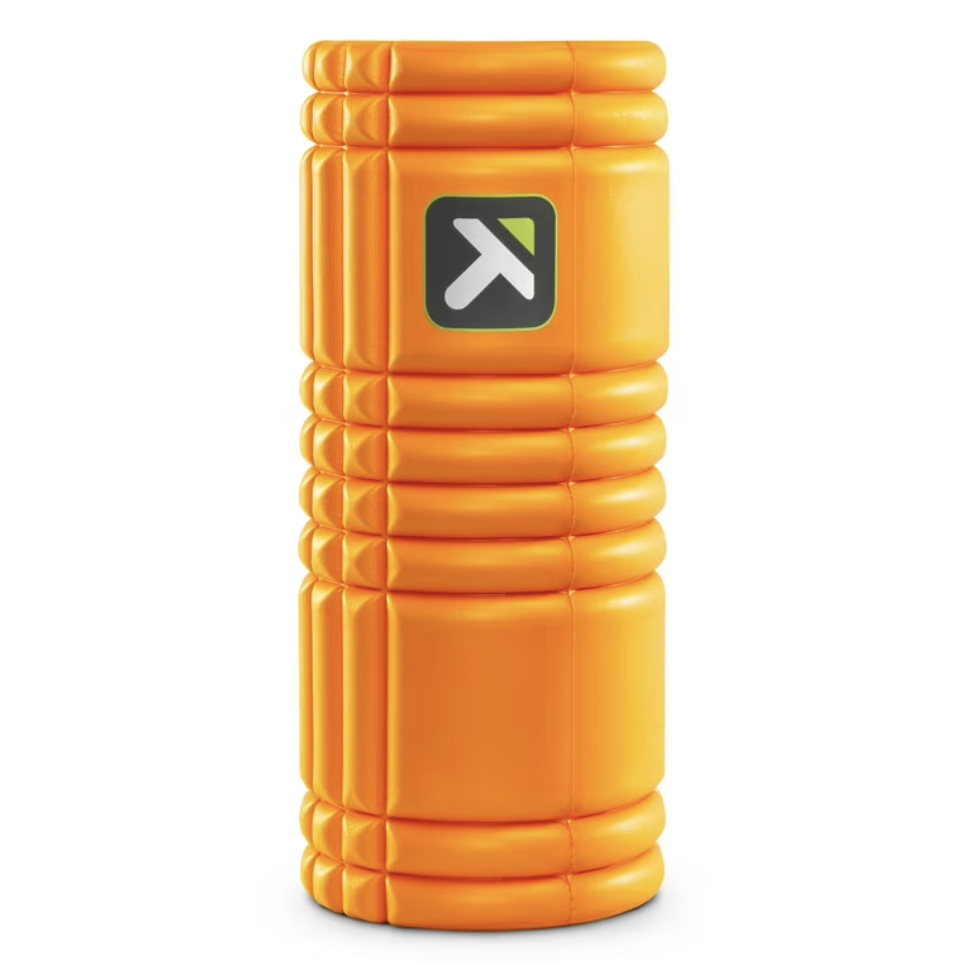
Set up Profile nowThe TriggerPoint GRID Foam Roller is a multi-density foam roller designed for myofascial release — the practice of applying sustained pressure to soft tissue to reduce muscle tension, improve range of motion, and support recovery between training sessions.
Its defining feature is a patterned outer surface built from zones of varying firmness. Different densities mimic the feel of a therapist's fingers, palms, and thumbs, letting you target superficial tissue or work into deeper layers depending on how much bodyweight you apply. This makes it more versatile than a standard smooth-barrel roller.
It suits a wide range of users: athletes rolling out after a run or strength session, office workers managing tight hip flexors and thoracic stiffness, or anyone building a home recovery routine. The hollow core keeps the structure rigid under load without adding unnecessary bulk, and the compact footprint means it stores easily or fits into a kit bag for travel.
Foam rollers as a category are well studied for their role in reducing delayed-onset muscle soreness and improving short-term flexibility when used consistently. The GRID's multi-density construction is TriggerPoint's answer to the limitation of single-density rollers, which can feel too uniform to be effective on specific trigger points. It is a tool that earns regular use when you put in the time to learn the technique.
Multi-density foam roller for myofascial release
Use before or after training sessions, or as a standalone mobility practice. Apply your bodyweight gradually over the target muscle group, pause on areas of tension for several seconds, and move slowly along the muscle's length. Follow any technique guidance included in the product packaging for best results.
Myofascial release involves applying pressure to the connective tissue surrounding muscles to ease tension and improve movement. Regular use is studied for reducing delayed-onset muscle soreness and supporting short-term gains in flexibility, making it a useful addition to any recovery routine.
A smooth roller applies uniform pressure across the surface. A multi-density roller, like the GRID, uses zones of varying firmness to replicate the varied pressure a therapist might apply with different parts of their hand, which can make it easier to work into specific areas of tightness.
A common approach is 30 to 90 seconds per muscle group, pausing on areas of particular tension rather than rolling continuously. Check the technique guidance on the product packaging for the manufacturer's own recommendations.
It is appropriate for most fitness levels. Beginners should start with light pressure and short sessions, learning to distinguish productive discomfort from sharp or joint-based pain, which would be a signal to stop.
Foam rollers are commonly used on the upper and mid back, glutes, hamstrings, calves, and the lateral thigh (IT band area). Avoid rolling directly on the lower back or any joint. If you have an existing injury or medical condition, consult a physiotherapist before adding foam rolling to your routine.
We offer physician-led talks and events to help you learn more about how to deal with stress through movement, mindfulness, and refocusing.
Learn about our next event
Overall sentiment
4 days ago
Gentle on a sensitive stomach, and I feel like myself again. I had tried two other glandulars before this and neither sat right.
1 week ago
I was sceptical about glandulars, but my mid-afternoon crash has genuinely eased. One capsule with breakfast and I forget about it.
2 weeks ago
Not a stimulant, which is exactly what I wanted. It took about ten days, then I realised I wasn’t dreading the afternoon any more.
3 weeks ago
Bought after a blood panel flagged a flat cortisol curve. Easy to take, no jitters, and the sourcing is refreshingly transparent.
1 month ago
Training hard through a stressful stretch and this has helped me bounce back between sessions. Already on my second bottle.
1 month ago
No frills, one ingredient, a sensible dose. I appreciate that it is designed to be used for a season rather than forever.
A blood test is the only way to know what your body actually needs. We’ll tell you which of these supplements is right for you.
Find your panel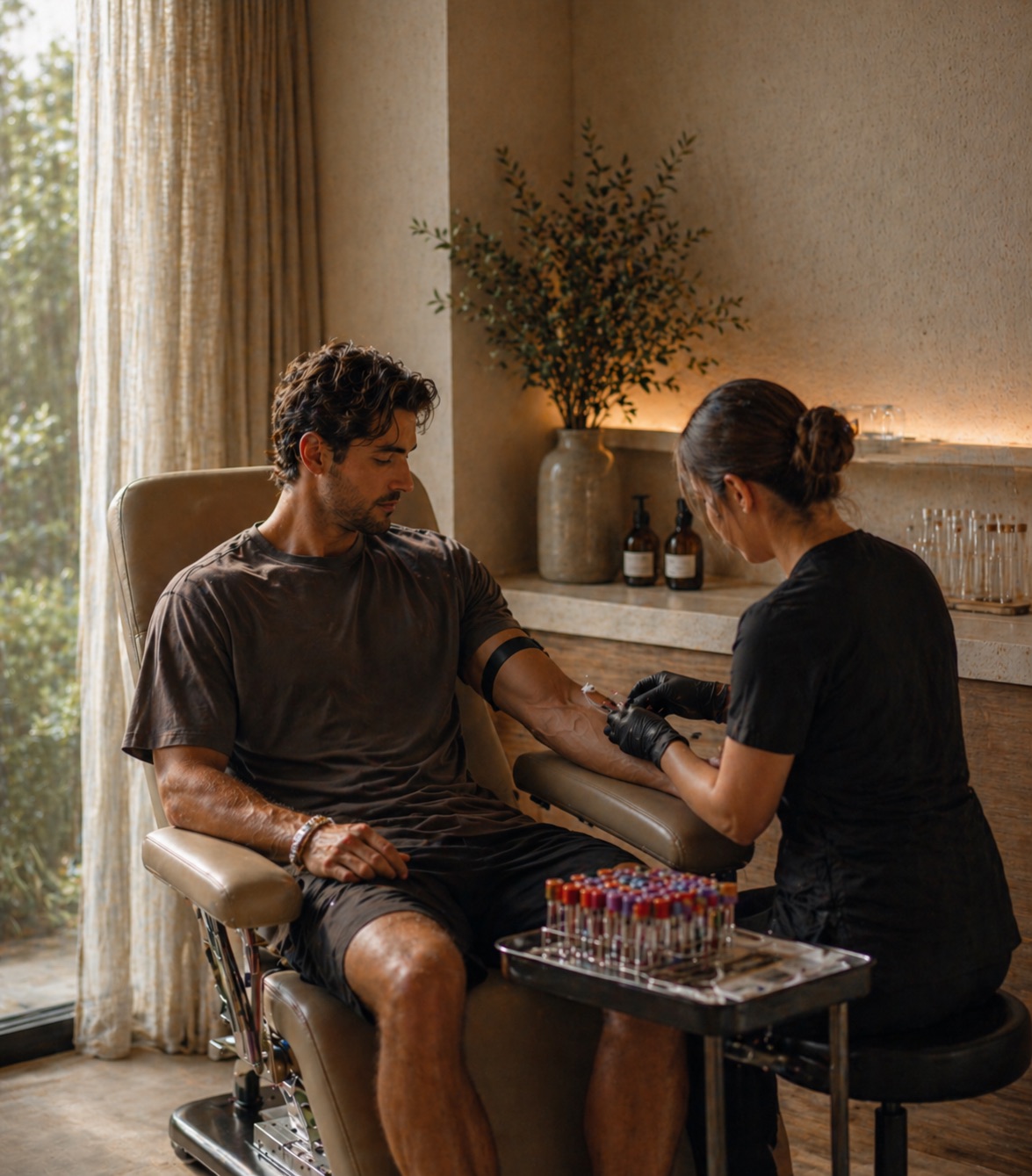
A curated selection of products, tools and rituals, carefully chosen by our expert doctors, to benefit you on your wellness journey.