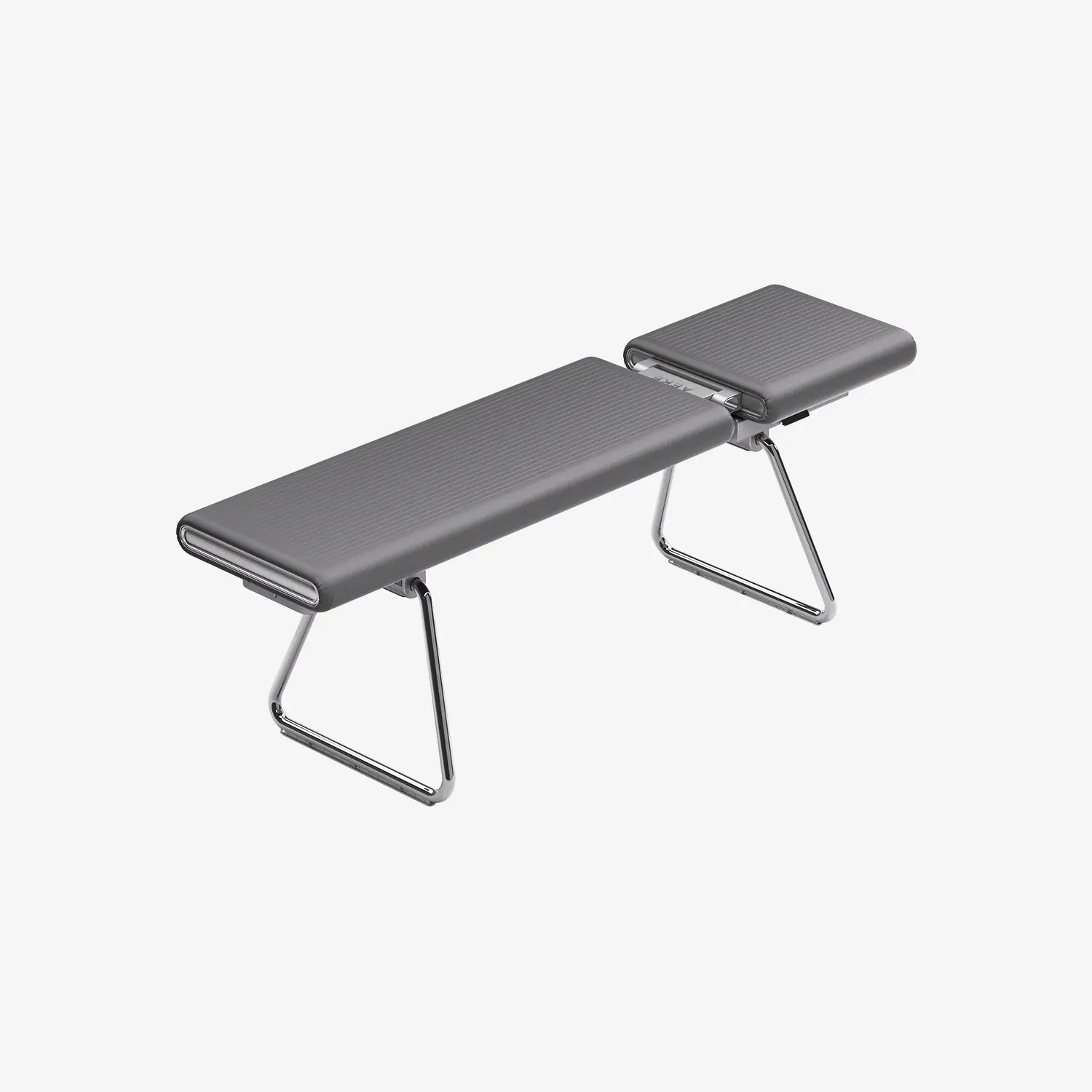
AEKE B1 Fitness Bench
The AEKE B1 Fitness Bench is a considered piece of home gym equipment for those who want a single, dependable surface to anchor a varied training programme.

£155.00
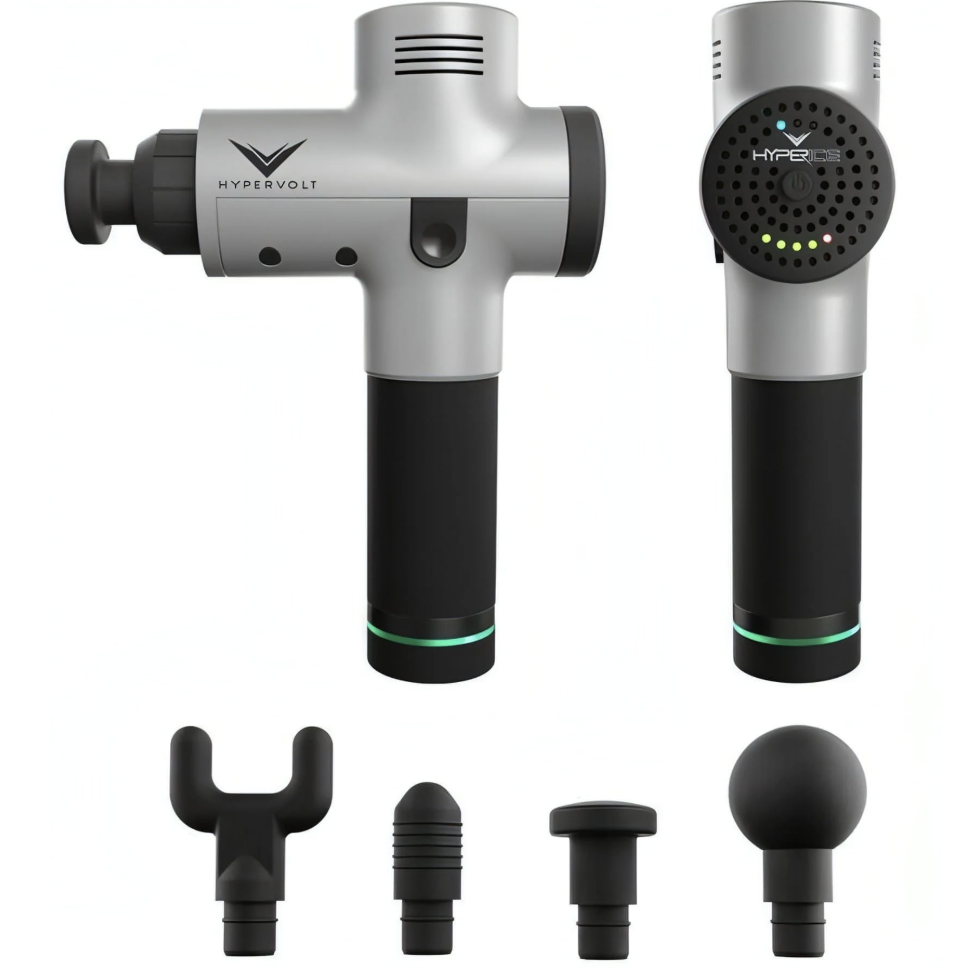
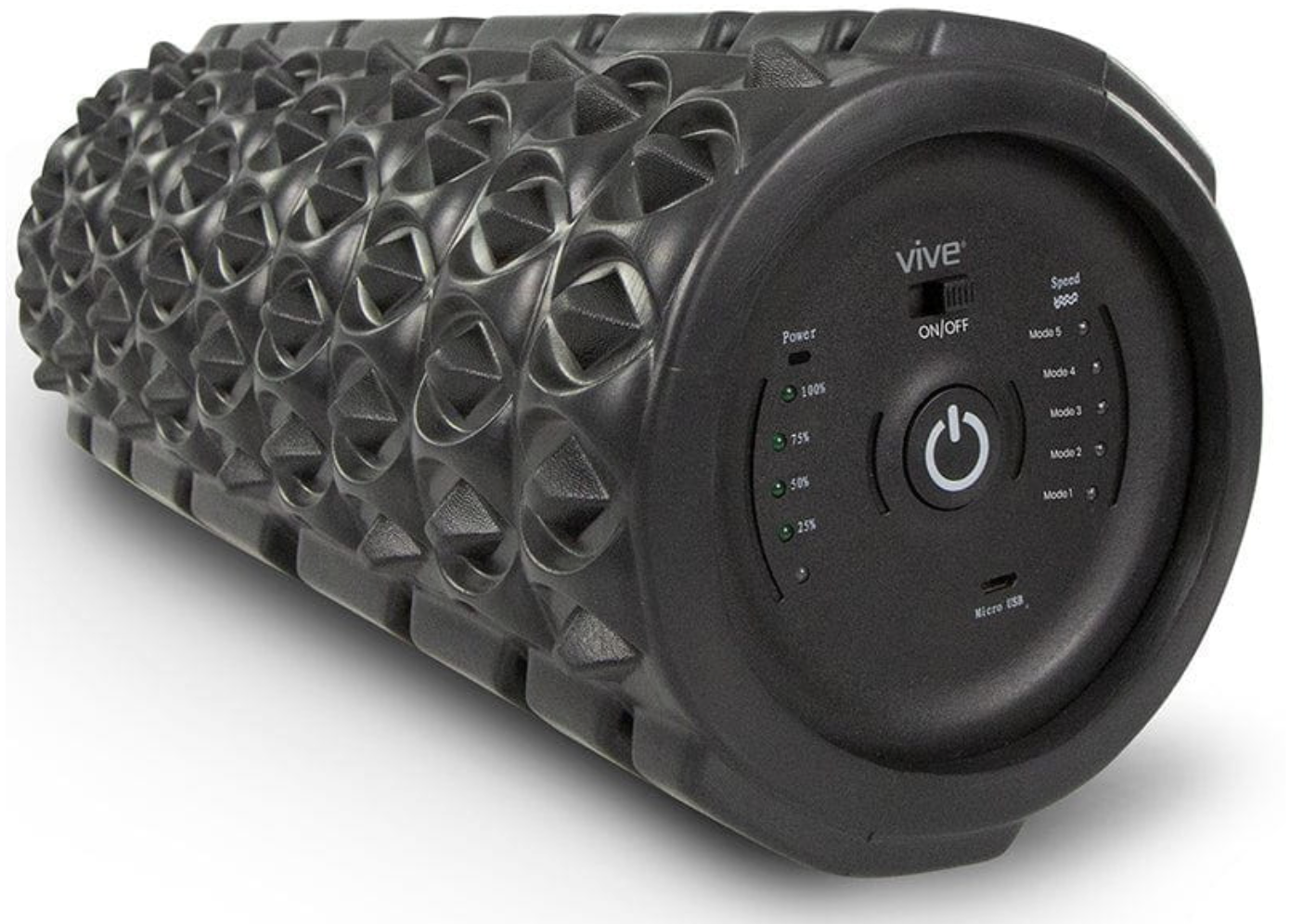
A vibrating foam roller is a self-myofascial release tool that combines the compression of standard foam rolling with percussive vibration.
The AEKE B1 Fitness Bench is a considered piece of home gym equipment for those who want a single, dependable surface to anchor a varied training programme.

The AEKE K1 consolidates intelligent strength training and full-body conditioning into a single foldable unit — a practical proposition for home environments w…
Interested in more
personalised recommendations?

Set up your Wellness A\ Profile to connect your wearables, biomarkers and test results. Create a bespoke plan based on your unique biology. Expert-led, evidence-based.
Set up Profile nowA vibrating foam roller is a self-myofascial release tool that combines the compression of standard foam rolling with percussive vibration. The vibration is thought to help modulate pain signals and promote blood flow to worked muscles, making it a practical choice for post-training recovery or pre-session warm-up. Rolling out the calves, quads, hamstrings, thoracic spine, or IT band takes roughly five to ten minutes and fits neatly into an existing training routine without specialist knowledge.
This kind of tool suits a wide range of users: the recreational gym-goer with persistent DOMS, the endurance athlete managing tissue quality across a heavy training block, or someone with a desk-bound lifestyle who carries tension through the hips and lower back. Vibrating rollers are generally bulkier than standard foam rollers, so it is worth having a dedicated shelf or kit bag space, but most are designed to be taken to the gym or a hotel room without much inconvenience.
Foam rolling as a recovery modality has a reasonable body of evidence behind it for reducing perceived muscle soreness and improving short-term range of motion. Adding vibration is studied for further augmenting those effects, though individual response varies. At this price point, build quality — motor durability, surface density, battery life — matters considerably, and this roller sits at the serious end of the consumer market.
Vibrating foam roller for enhanced recovery
Use before training to warm up tissue and improve short-term mobility, or after training to support recovery. Apply moderate body weight to the target muscle group and roll slowly, pausing on areas of tension. Follow the specific speed settings and session-length guidance on the product packaging.
It can be used at either end of a session. Pre-training, a few minutes of rolling may help improve tissue mobility and reduce stiffness. Post-training, it is more commonly used to address muscle soreness and aid the recovery process.
A standard roller uses compression and shear force alone. The added vibration is studied for its effect on reducing perceived pain during rolling and potentially enhancing blood flow to the tissue, which may make the session more comfortable and more effective — though individual response varies.
Foam rolling is widely used in physiotherapy settings, but if you are managing an acute injury or a diagnosed soft tissue condition, check with a physio or doctor before use. Rolling directly over an inflamed or acutely injured area is generally not advised.
Battery life and charging method will vary by unit — check the product packaging and included documentation for the specific figures on this model.
If you train regularly and already use a standard roller, the vibration feature offers a meaningful upgrade in comfort and potentially in recovery quality. For occasional users or beginners, a standard roller may be sufficient. The higher price point reflects motor quality and build durability rather than novelty.
We offer physician-led talks and events to help you learn more about how to deal with stress through movement, mindfulness, and refocusing.
Learn about our next event
Overall sentiment
4 days ago
Gentle on a sensitive stomach, and I feel like myself again. I had tried two other glandulars before this and neither sat right.
1 week ago
I was sceptical about glandulars, but my mid-afternoon crash has genuinely eased. One capsule with breakfast and I forget about it.
2 weeks ago
Not a stimulant, which is exactly what I wanted. It took about ten days, then I realised I wasn’t dreading the afternoon any more.
3 weeks ago
Bought after a blood panel flagged a flat cortisol curve. Easy to take, no jitters, and the sourcing is refreshingly transparent.
1 month ago
Training hard through a stressful stretch and this has helped me bounce back between sessions. Already on my second bottle.
1 month ago
No frills, one ingredient, a sensible dose. I appreciate that it is designed to be used for a season rather than forever.
A blood test is the only way to know what your body actually needs. We’ll tell you which of these supplements is right for you.
Find your panel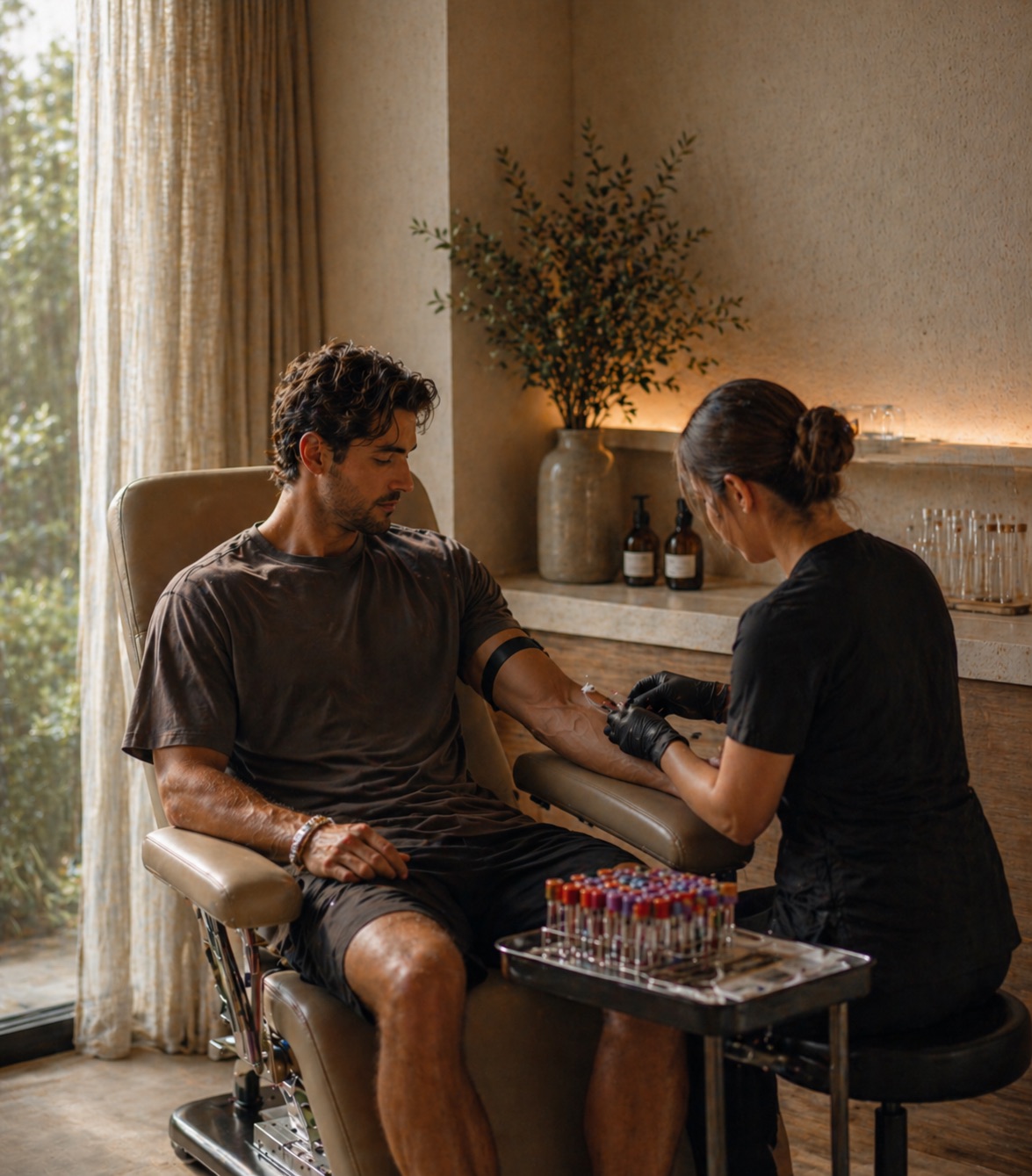
A curated selection of products, tools and rituals, carefully chosen by our expert doctors, to benefit you on your wellness journey.